

Lillian Bassman: Bazaar and Beyond

The Met Museum
March 2 - July 26, 2026
The Metropolitan Museum of Art turns its lens on one of fashion photography's most daring visionaries with Lillian Bassman: Bazaar and Beyond, a long-overdue celebration of an artist who consistently defied the boundaries of her medium.
A Revolutionary Eye Behind the Lens
Born on June 15, 1917, in Brooklyn, Lillian Bassman grew up in the Bronx as the daughter of Jewish émigrés from Russia. Her parents encouraged a bohemian lifestyle, even allowing her at age 15 to move in with Paul Himmel, a young photographer she had first met at Coney Island when she was six. They married in 1935 and remained together for 73 years until Himmel's death in 2009.
Bassman studied fabric design at Textile High School in Manhattan, then worked briefly as a muralist's assistant for the Works Progress Administration before taking a night course in fashion illustration at Pratt Institute in Brooklyn. When she showed her work to Alexey Brodovitch, the legendary art director of Harper's Bazaar, he was so impressed that he waived tuition to accept her into his Design Laboratory at the New School for Social Research, where she shifted her focus from fashion illustration to graphic design.
From Art Director to Photographic Pioneer
Brodovitch took Bassman on as his unpaid apprentice at Harper's Bazaar in 1941. In late 1945, when the magazine launched Junior Bazaar, a spinoff aimed at teenage girls, Bassman was named art director, a title she shared with Brodovitch. In this role, she championed the work of future photography legends including Richard Avedon, Robert Frank, and Louis Faurer, whose work inspired her to pick up the camera herself.
Already, Bassman had begun frequenting Harper's darkroom during lunch hours, teaching herself by developing images for fashion photographer George Hoyningen-Huene. Using tissues and gauzes to manipulate focus and applying bleach to alter tone, she developed techniques that would become her signature. "I was interested in developing a method of printing on my own, even before I took photographs," she told B&W magazine in 1994.

Barbara Mullen, New York, 1958 - Lillian Bassman, Artsy
Transforming Fashion into Art
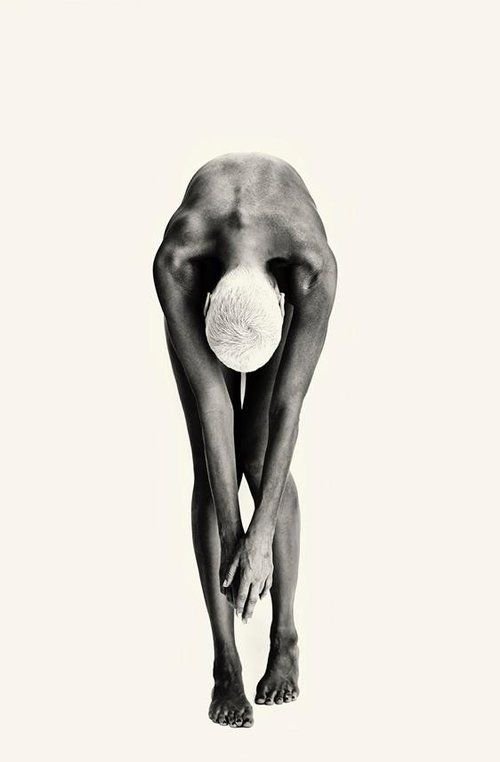
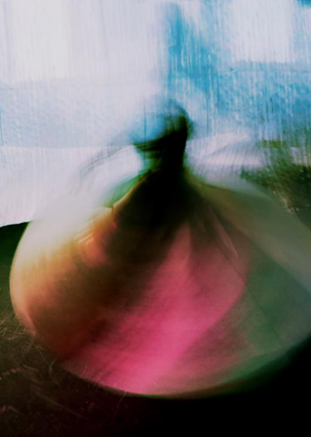
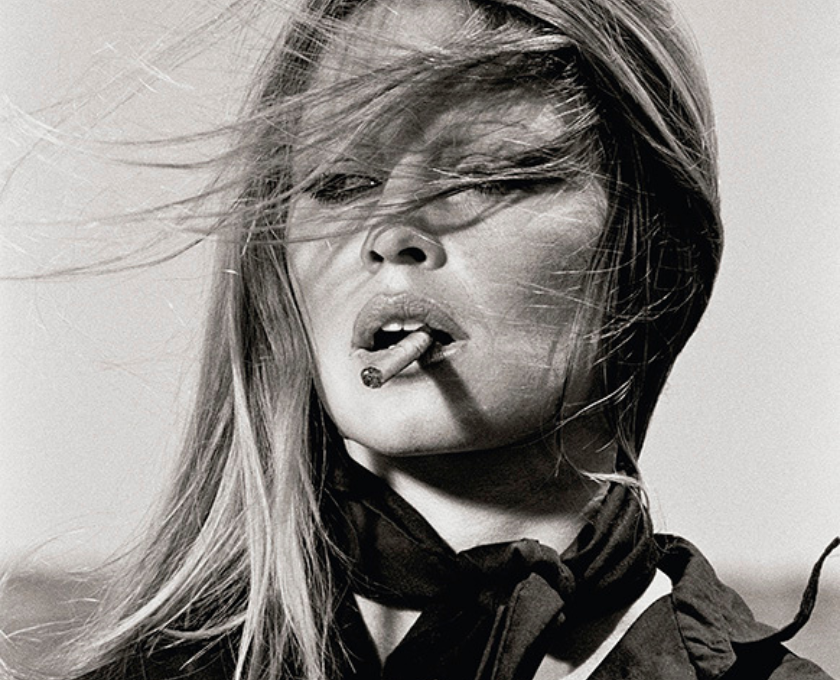
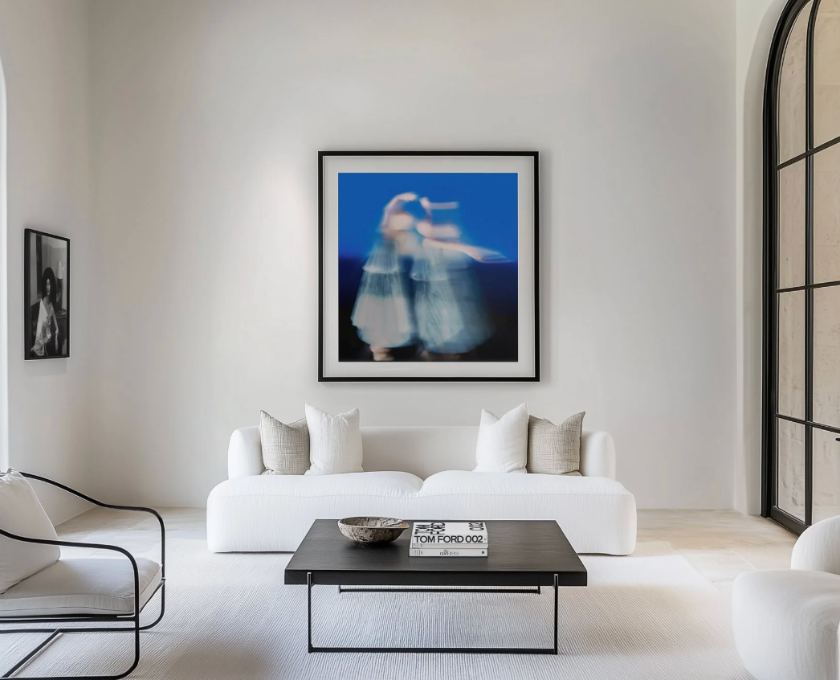
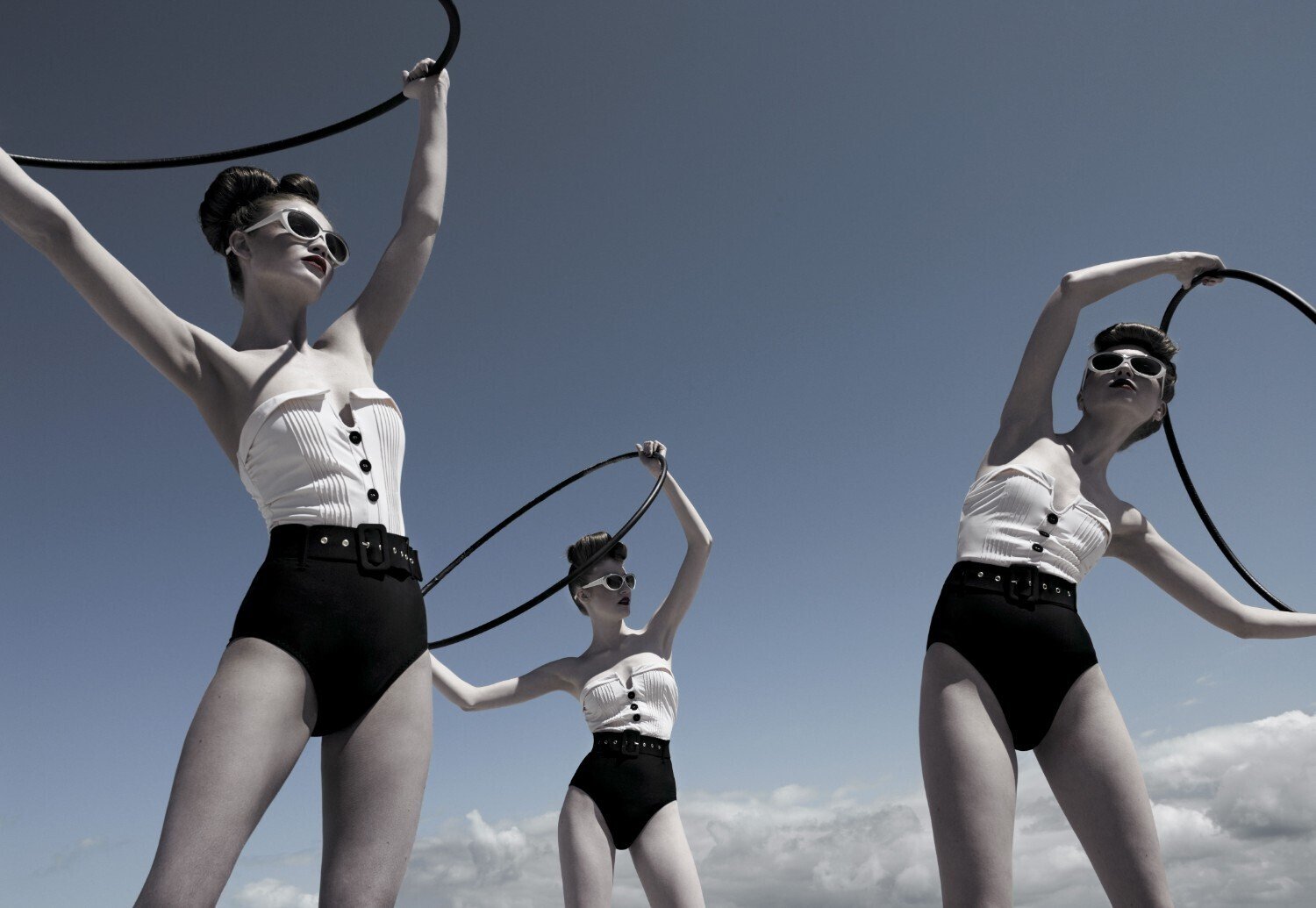
Throughout the 1950s and early 1960s, Bassman transformed fashion photography into an experimental playground. Her images, almost abstract in their sensibility, dissolved garments into silhouettes and atmospheric blur, pushing the genre far beyond its commercial brief. In the darkroom, she manipulated her prints by hand, using fabric, brushes, and bleach to achieve effects that felt closer to painting than to photography.
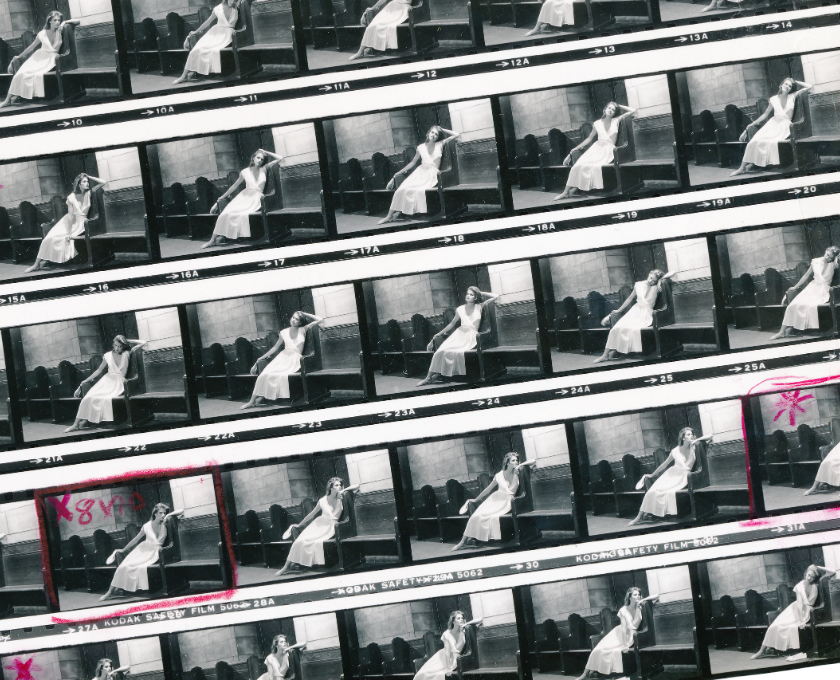
Her work was published primarily in Harper's Bazaar from 1950 to 1965. She photographed iconic models including Barbara Mullen, Suzy Parker, and Lisa Fonssagrives, creating images that emphasized mood and movement over sharp detail. When Avedon went to Paris in 1947, he lent her his studio and assistant, a gesture that launched her photographic career in earnest.
The Lost Years and Remarkable Rediscovery
By the early 1970s, disillusioned by the changing direction of fashion photography, Bassman walked away from the industry. She destroyed many of her commercial negatives and stuffed others in trash bags, storing them in her Upper East Side carriage house. For two decades, she focused on personal work: large-format photographs of fruits, vegetables, flowers, and abstract images.
Then, in the early 1990s, came an extraordinary turn. Martin Harrison, a fashion curator and historian staying at her house, discovered the long-forgotten negatives. He encouraged Bassman to revisit them. Using both traditional darkroom techniques and, later, digital manipulation, she began creating what she called "reinterpretations," pushing the images even further into abstraction than the originals.
These new prints sparked a complete critical reassessment. A 1993 exhibition at Hamiltons Gallery in London, organized by Harrison, was followed by shows at the Carrousel du Louvre in Paris. In 1996, The New York Times Magazine assigned her to photograph the haute couture collections in Paris. She completed her last fashion assignment for German Vogue in 2004, still working at age 87.
Bazaar as Laboratory
What makes the Met's exhibition particularly striking is its curatorial framing. Rather than treating Harper's Bazaar as background context, the museum places the magazine at the very center of the narrative, so much so that its name sits directly in the exhibition title. Bazaar is not merely where Bassman worked; it is positioned as both workplace and experimental site, the space where her most radical visual thinking took shape.
Under Brodovitch's art direction and with editor-in-chief Carmel Snow's support, Harper's Bazaar became an unlikely incubator for avant-garde photography. At a time when fashion publishing was finding its postwar footing, Bassman brought an experimental sensibility to the mainstream, quietly reshaping what a magazine image could be. When Snow once admonished her, "You are not here to make art. You are here to show the buttons and the bows," Bassman found ways to do both.

Dovima, New York, 1954 - Lillian Bassman, Artsy
A Late-Career Renaissance
Bassman continued working until her death on February 13, 2012, at age 94, never losing her appetite for experimentation. In her late 80s and 90s, she embraced digital technology, using Photoshop with the same fearlessness she had brought to chemical processes decades earlier. She had two children: daughter Liza (known as Lizzie), a photographer, and son Eric Himmel, who became editor-in-chief of Abrams Books, which published three monographs of her work: Lillian Bassman (1997), Lillian Bassman: Women (2009), and Lillian Bassman: Lingerie (2012).
The exhibition traces Bassman's full arc: from designer to art director to accomplished photographer, mapping the quiet but profound influence her work has had on visual modernity. Seen alongside the concurrent Walther Collection exhibitions at the Met, this is a particularly concentrated, museum-level affirmation of photography's centrality at the heart of institutional discourse.
Lillian Bassman: Bazaar and Beyond is on view at the Met Fifth Avenue, March 2 - July 26, 2026.