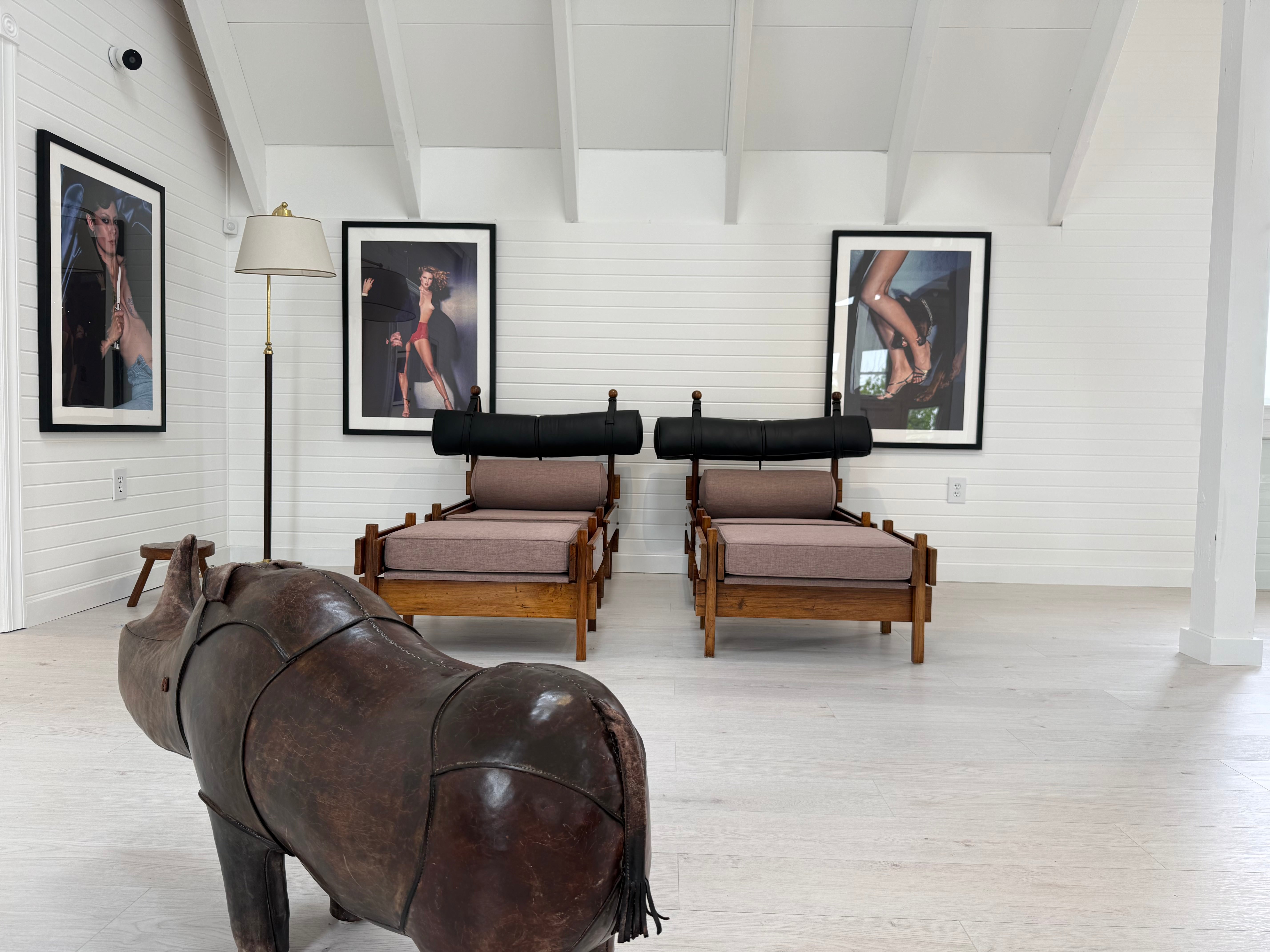


Frieze Los Angeles 2026 signals A Structural Market Shift for collecting photography
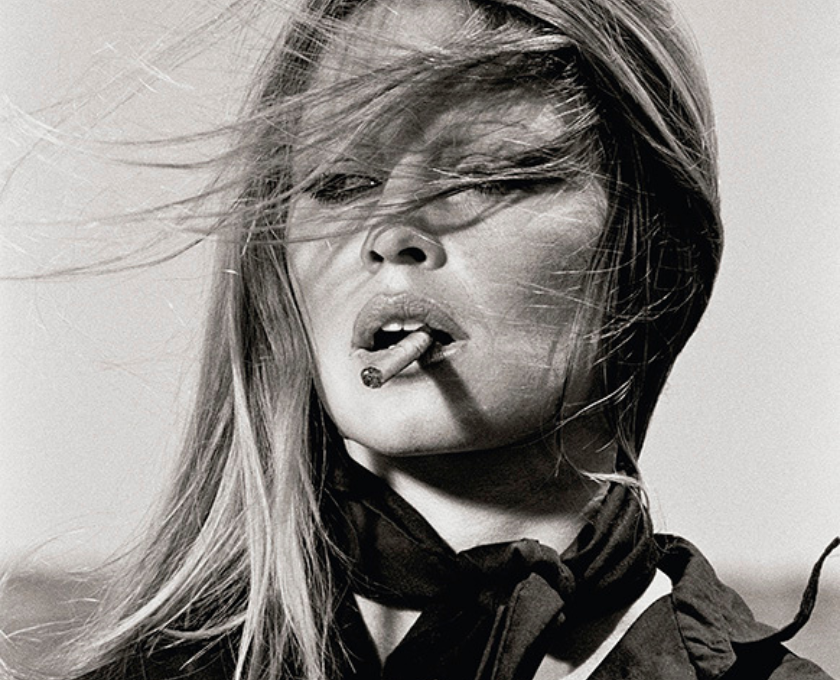
Frieze Los Angeles 2026 opens this week with what early reports describe as an unprecedented presence of photography throughout the fair. According to writer Livia Russell, “The abundance of photography at Frieze Los Angeles this year, with multiple stands entirely dedicated to work in the medium, suggests the enthusiasm for photographs among contemporary art lovers is strong.” (Frieze editorial coverage, 2026)

Frieze is widely considered one of the most influential art fairs globally, alongside Art Basel and TEFAF. When Frieze’s editorial platform highlights a medium’s evolution, it signals more than curatorial preference. It reflects broader shifts within the art market ecosystem.
While photography was embedded within broader gallery presentations in 2025, 2026 marks a visible step toward positioning photography — historical and contemporary — as a named pillar of Frieze LA’s identity.
Auction Market Signals: Volume and Generational Growth
Market data reinforces this momentum.
According to industry reporting, 2025 saw an increase in the volume of photographs offered at auction and a rise in lots sold across major houses, even as the broader art market recalibrated (Artnet, 2025 market coverage).
At Sotheby’s, photography has become a significant entry point for new collectors. Emily Bierman, Global Head of Prints and Photographs at Sotheby’s, reports:
“Almost a quarter of all buyers in Sotheby’s photography sales are new to the house, making it one of the leading categories for new entry to the art market.”
Even more striking is the demographic shift:
“Participation from collectors under 40 has increased by more than 600%,” demonstrating “a clear and sustained expansion of the audience for photography.”
(Source: Sotheby’s Prints & Photographs division commentary, 2025)
These figures suggest that photography is not only culturally relevant — it is structurally expanding its collector base.
Digital Behavior and the Younger Collector
The generational shift is closely tied to digital behavior.
The Artsy Art Collector Insights Report 2024 (surveying 2,100+ collectors) provides key data points:
- 95% of collectors say seeing a listed price is important when purchasing online.
- 56% cite lack of visible pricing as the biggest hindrance to buying art online.
- Younger collectors are explicitly described as taking an “online-first approach” to discovering and collecting art.
(Source: Artsy Collector Insights Report 2024)
Meanwhile, the Art Basel & UBS Art Market Report 2025 confirms that:
- Online sales accounted for 22% of total dealer sales in 2024, up from 13% in 2019.
- 46% of online dealer sales were to new buyers, a significant increase from 35% in 2023.
(Source: Art Basel & UBS Art Market Report 2025)
This matters because photography is particularly well-suited to digital visibility. It is inherently image-based, reproducible at scale for online presentation, and legible within social and editorial environments.
Younger collectors — often described as “image-native” — are comfortable navigating photography as a primary medium. They gravitate toward narrative, cinematic, and archival aesthetics, which align strongly with fashion and documentary photography.

Why Los Angeles? Why Now?
Los Angeles has long been described as an art ecosystem less bound by historical hierarchy than older European capitals. Institutional essays and curatorial writing around MOCA, the Getty, and other LA institutions frequently emphasize the city’s experimental, artist-driven culture.
Photography — now approaching its 200th anniversary — remains relatively young compared to painting or sculpture. In a city defined by film, image production, and visual storytelling, photography occupies a natural cultural position.
Major institutions are reinforcing this shift. Museum retrospectives at the Getty, MoMA, and Tate have increasingly framed photographers as canonical fine artists rather than medium specialists.
As Sotheby’s Emily Bierman confirms:
“Photography is no longer seen as a distinct collecting category, but as an integral part of the best fine art collections.”
From Margin Medium to Main stage medium
In 2025, photography at Frieze LA was largely embedded within broader gallery practices. In 2026, it is being consciously foregrounded — through fully dedicated booths (including the widely discussed Larry Sultan presentation), editorial coverage, and curatorial framing.
This distinction matters.
Positioning photography as a “pillar” of the fair rather than a supporting medium signals:
- Institutional validation
- Generational demand
- Auction-house expansion
- Digital market compatibility

In summary
The increased representation of photography at Frieze Los Angeles 2026 is not an isolated phenomenon. It aligns with:
- A 600%+ increase in under-40 participation in Sotheby’s photography sales
- Nearly 25% new buyer participation in Sotheby’s photography category
- 22% dealer sales occurring online, with nearly half to new buyers
- Strong demand for transparency and digital accessibility among younger collectors
Photography is no longer a secondary category or an “entry-level” medium. It is increasingly treated — institutionally and commercially — as core fine art.
Frieze LA 2026 does not create this shift. It reflects it.