

The Met Gala 2026: Fashion Is Art
The Met has announced this year's Gala theme: "Fashion Is Art." More than a dress code, it is a curatorial statement.
The theme extends directly from the Costume Institute's spring 2026 exhibition "Costume Art," which will debut in the new Condé Nast Galleries: a sweeping show bringing together nearly 400 objects spanning 5,000 years, from garments to paintings, sculpture, and beyond. Curator Andrew Bolton describes the exhibition as an investigation into the "centrality of the dressed body" across the entirety of the Met's collection, pairing clothes with artworks to argue that the clothed figure is not a fashion footnote but a common thread running through all of art history.
The Gala, in turn, becomes a live extension of that argument. The expectation this year is that looks will engage with ideas of embodiment, materiality, and representation, rather than lean on spectacle alone. It is a deliberate push away from the costume-as-theme gimmick that has defined recent editions, toward fashion as serious visual culture.

The move also resonates with a broader institutional shift already underway. The Louvre's "Louvre Couture: Art and Fashion — Statement Pieces" had earlier normalized the idea that couture could be curated like decorative arts. The Met now builds on that foundation, institutionalizing the argument in permanent galleries and using the Gala to make the case in real time, on a global stage.
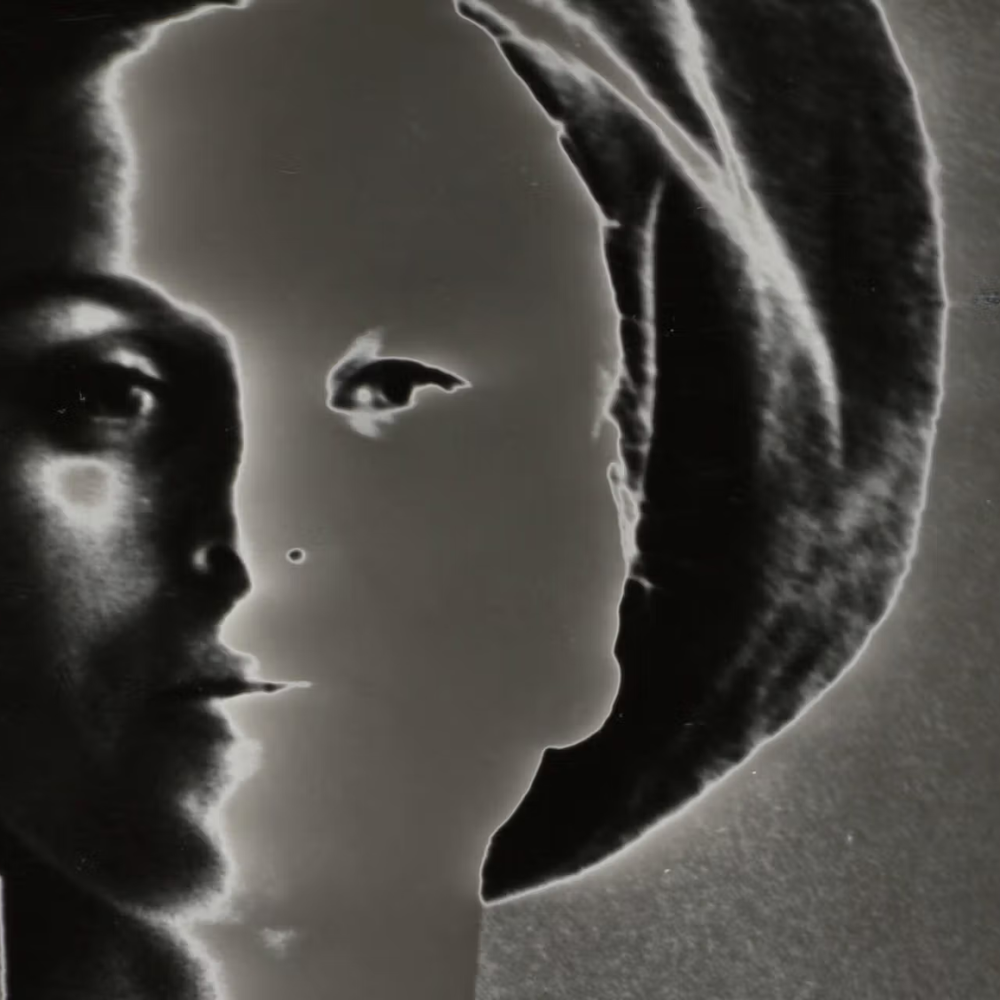
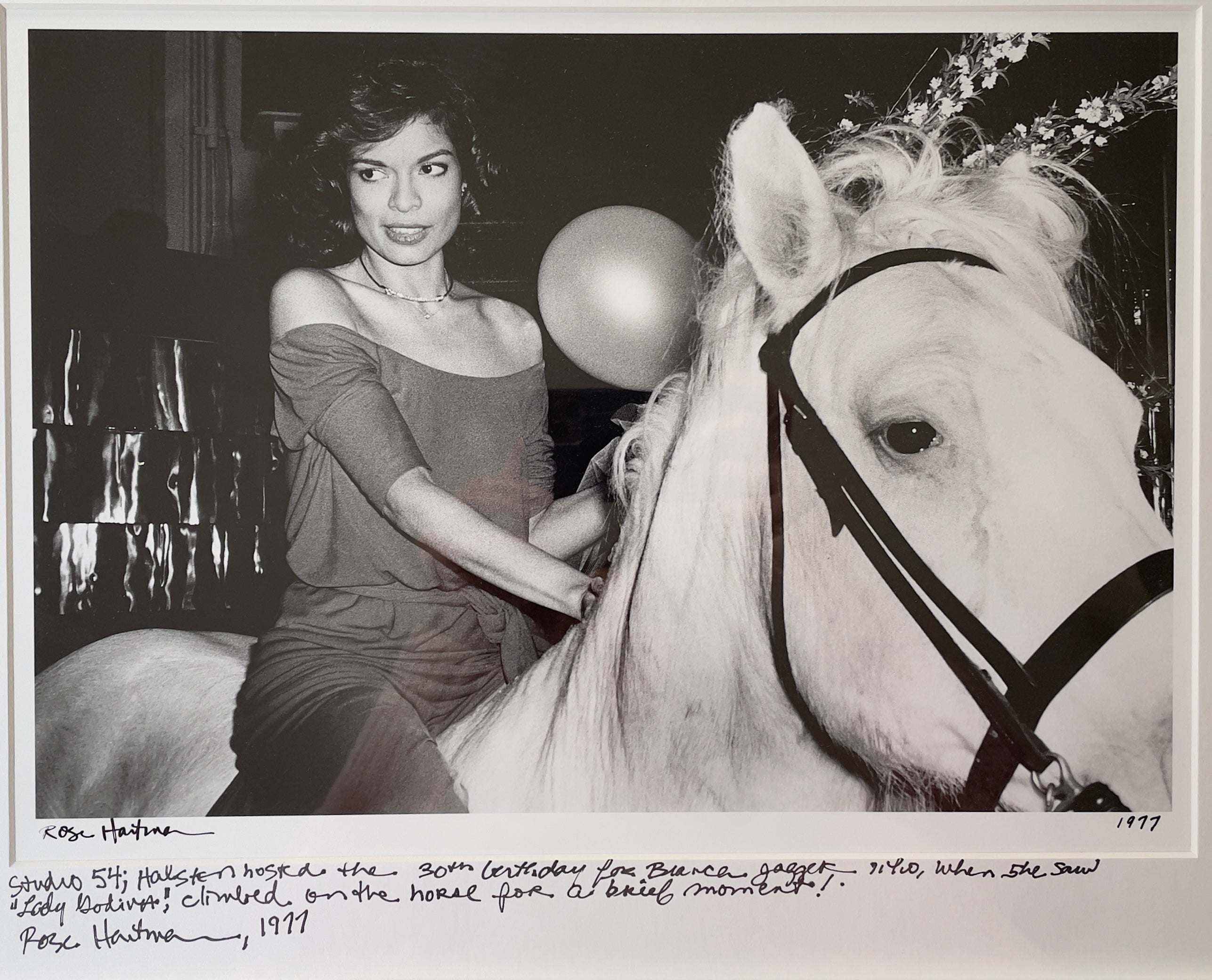
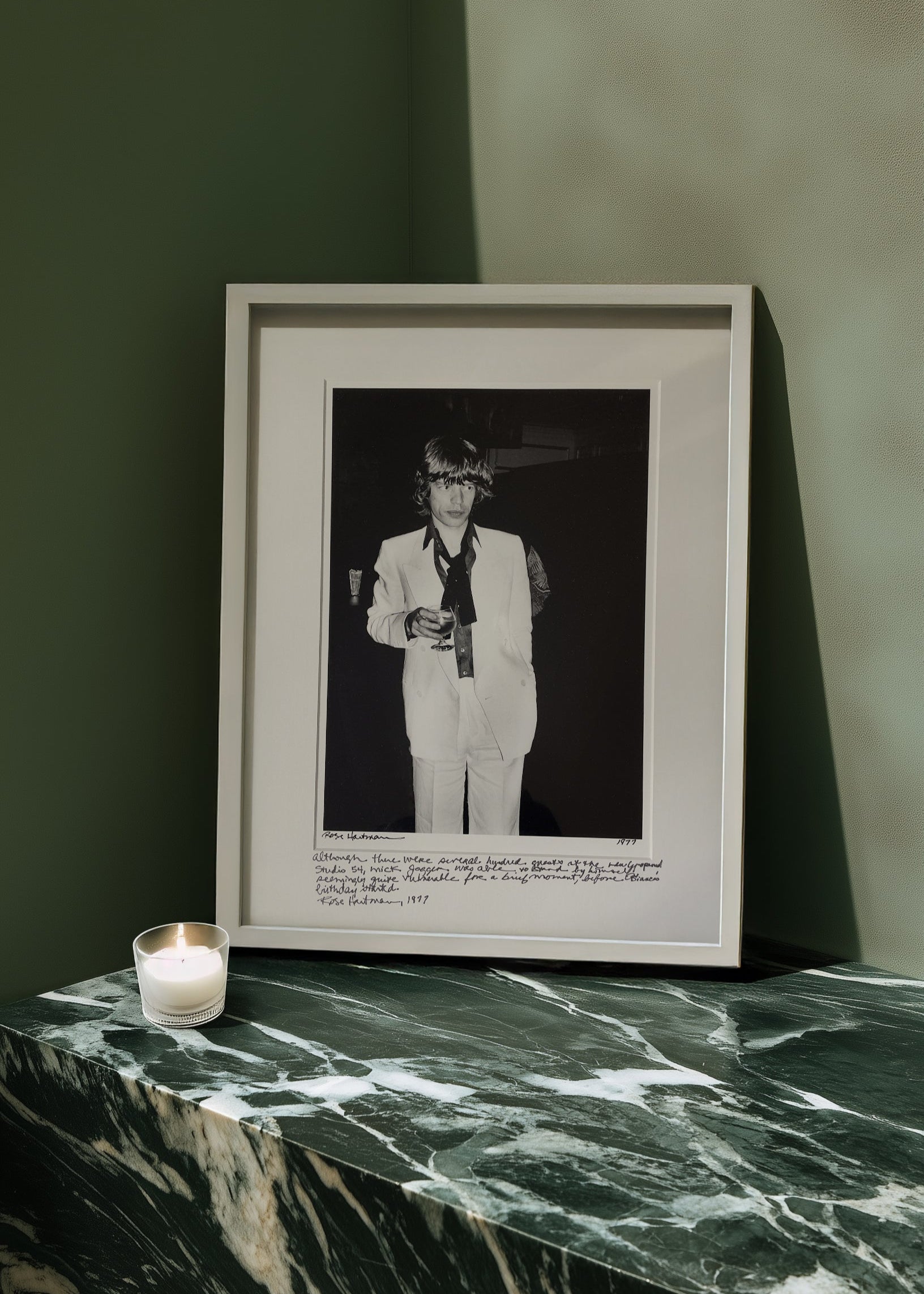
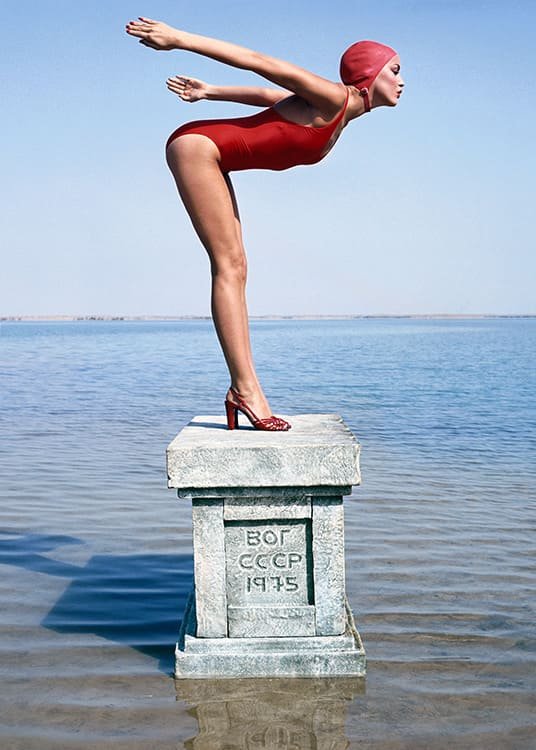
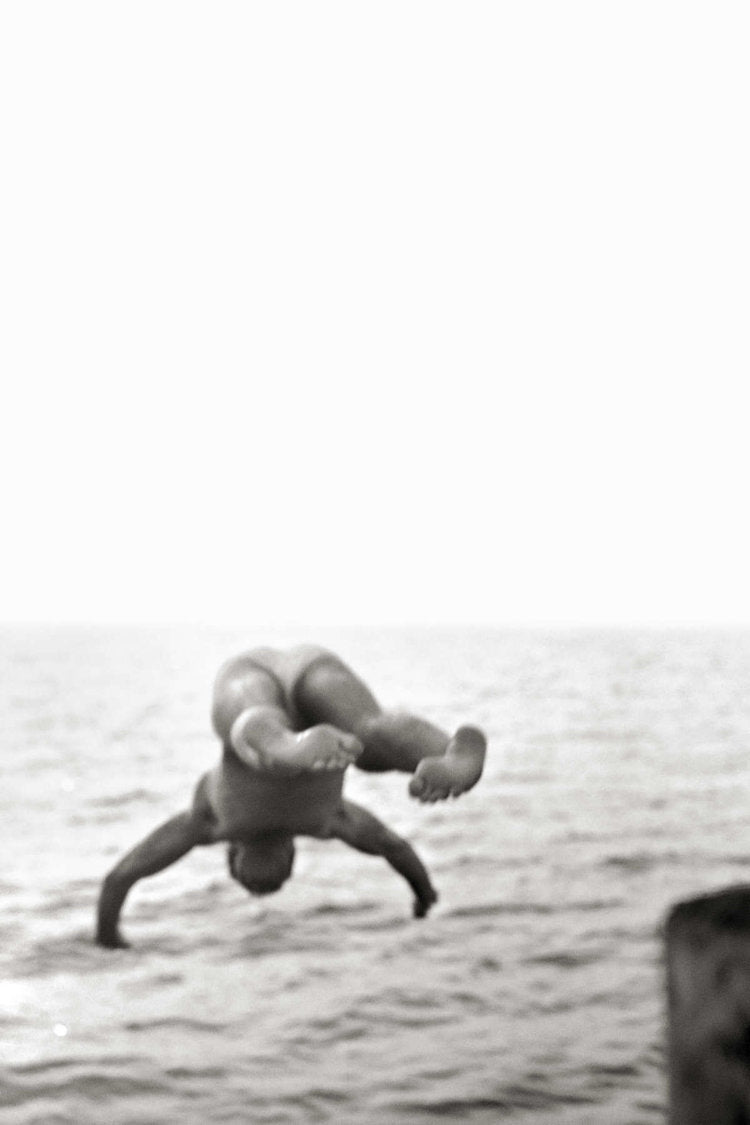
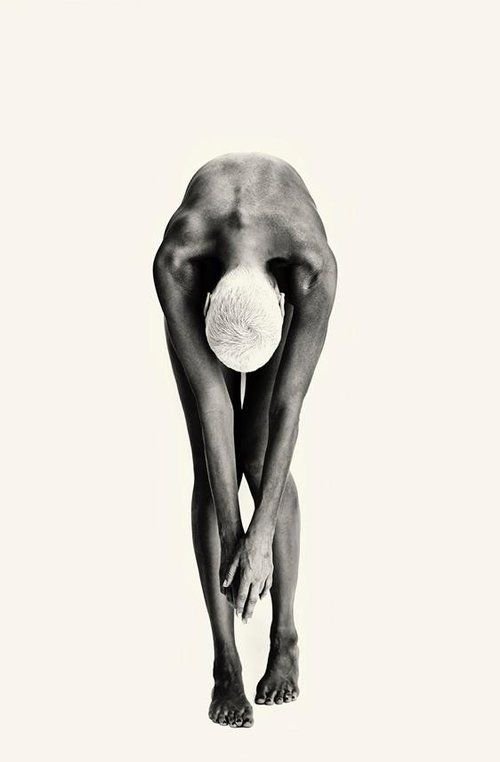
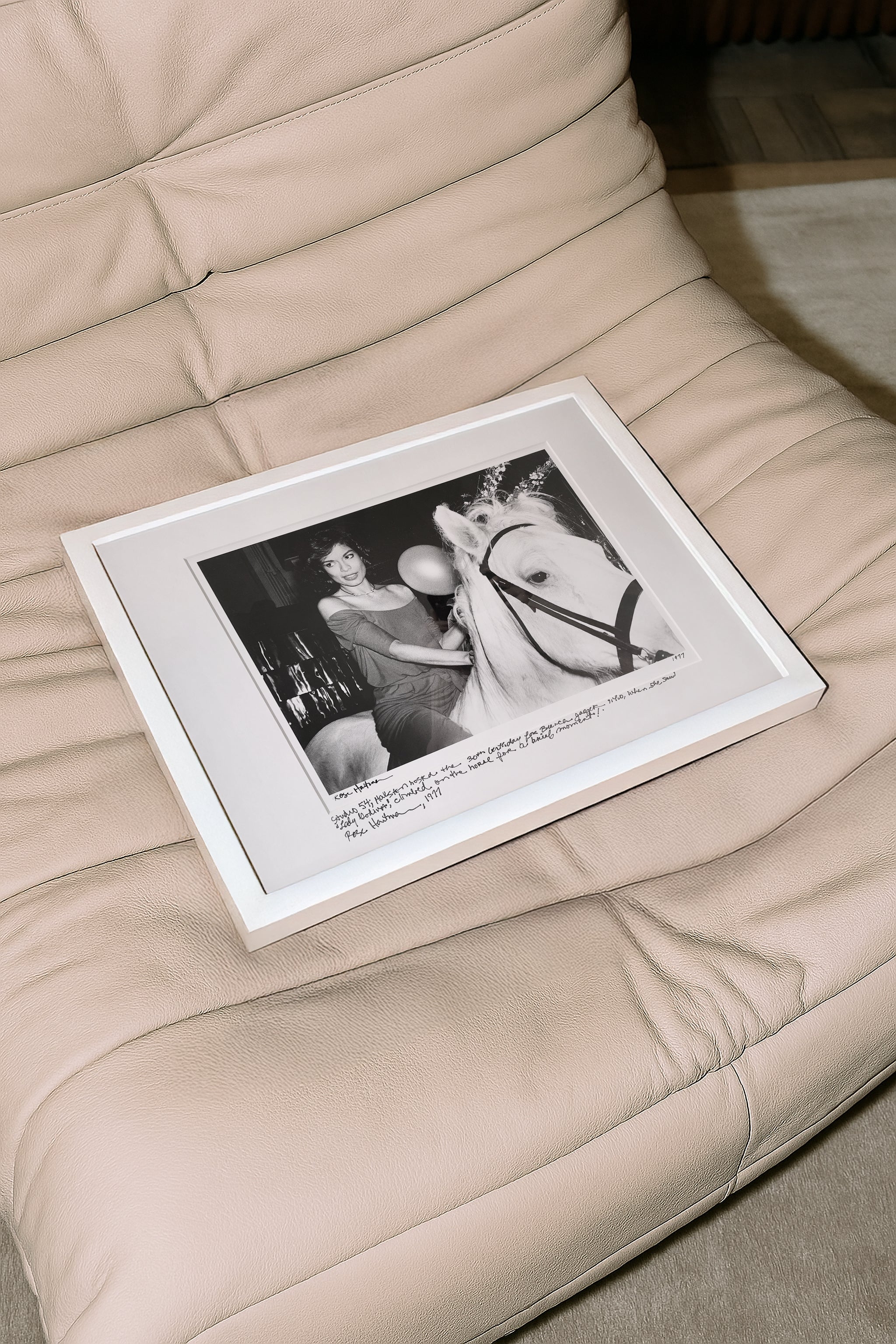
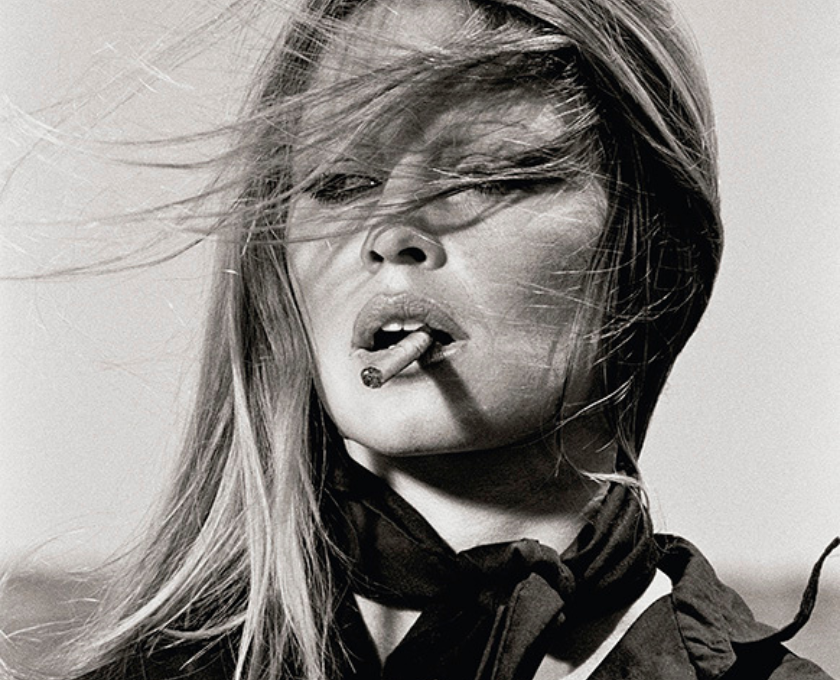
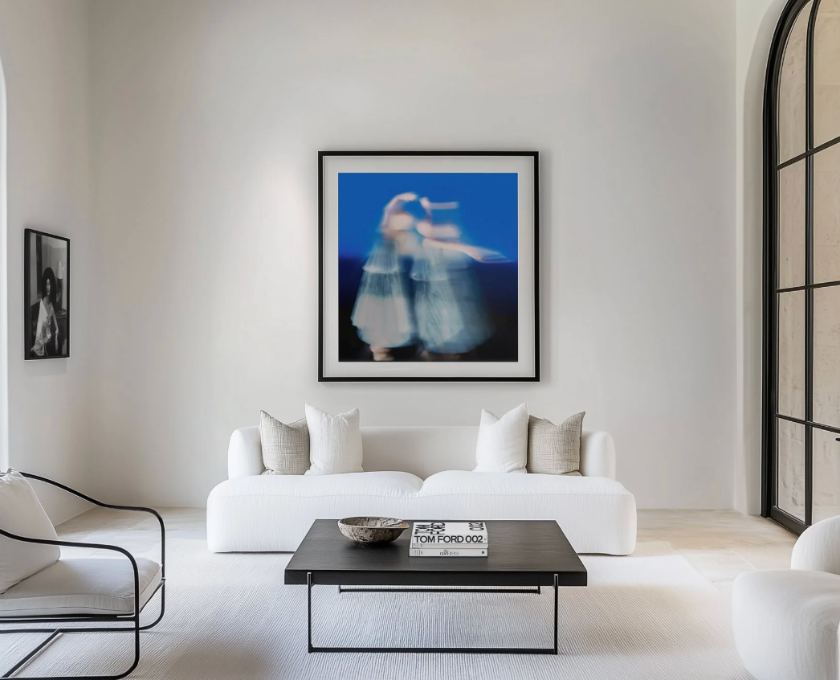
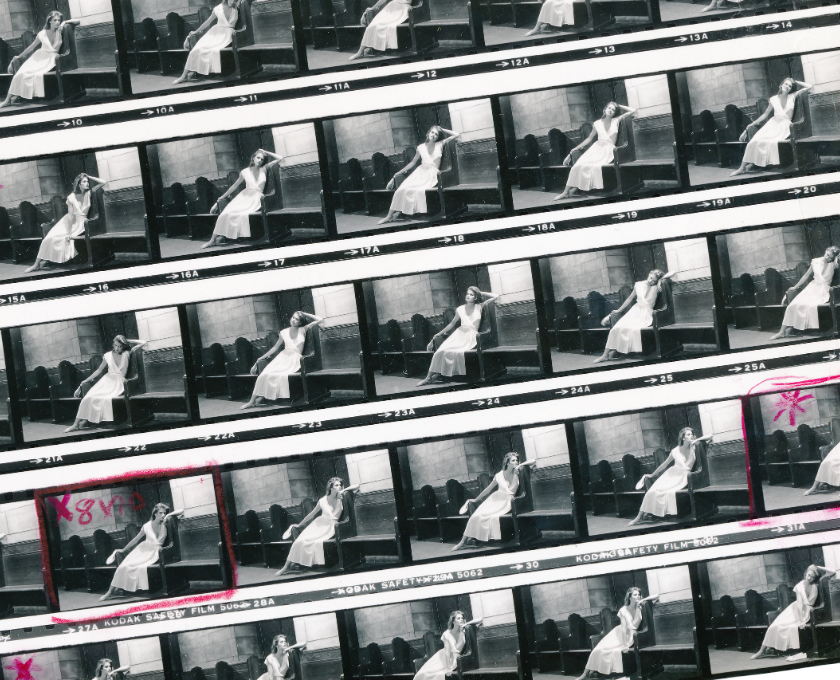
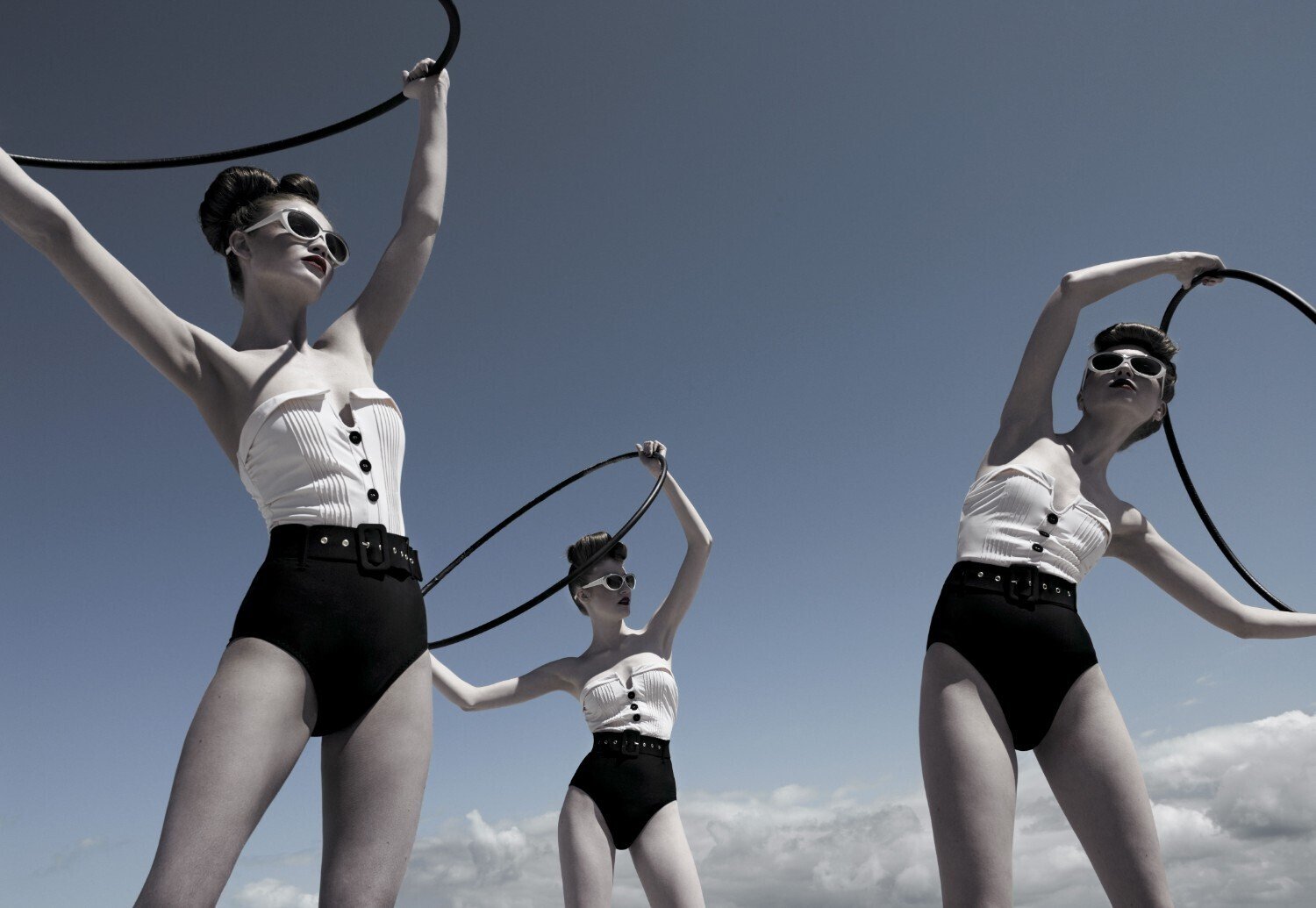
The implications for image-making are significant. Because both institutions anchor their projects in dialogue with historical works, fashion photography is pushed into a more archival, referential mode - each new image implicitly in conversation with centuries of visual culture. Photographers who can articulate that dialogue, both visually and conceptually, become increasingly valuable to brands and institutions alike. Expect to see more collaborations where museum exhibitions, runway collections, and photo series are conceived not as separate projects, but as a single, continuous narrative.