

The Making of The Selects Gallery: Marie Audier D'Alessandris on Risk, Archives, and a Twenty Year Pivot
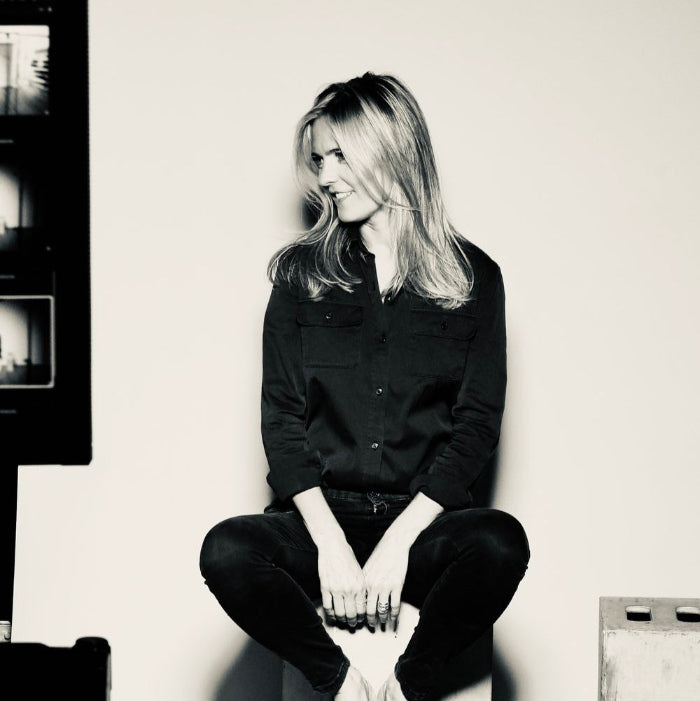
Marie Audier D'Alessandris thought about opening a photography gallery for twenty years before she opened one. She spent most of those years in beauty and fashion marketing, fourteen at L'Oréal in France and the United States, then five at Coach in New York. The gallery existed the entire time as an idea she kept moving to a later date.
She recently sat down with Thomas Werner and Derrick Connell for the 21 Summers Podcast, recorded at The Selects Gallery. Their book, Twenty One Summers, is about the gap between wanting to make a change and making it, and about the blind spots that keep people in the gap for years. The conversation is a case study in exactly that.
The gallery started with what gets thrown away
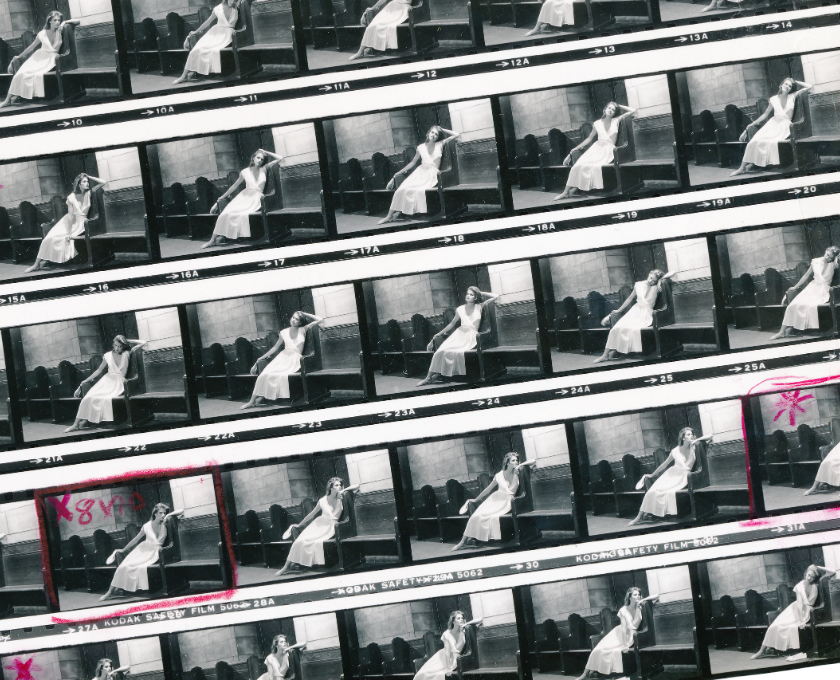
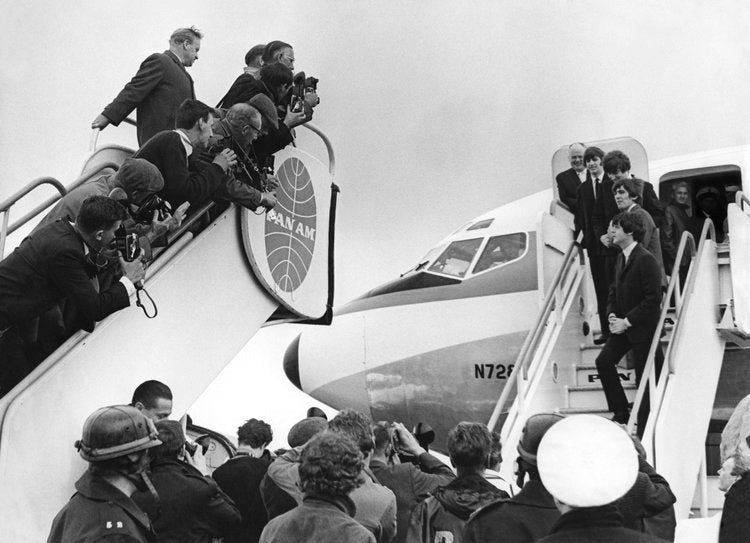
The idea came from a set. Early in her career at L'Oréal, Marie found herself watching a shoot come together and understanding, for the first time, how much work sits behind a single published frame. Weeks of preparation. A crew of specialists on the day. Post-production after. And then a handful of images run, and the rest go into a drawer.
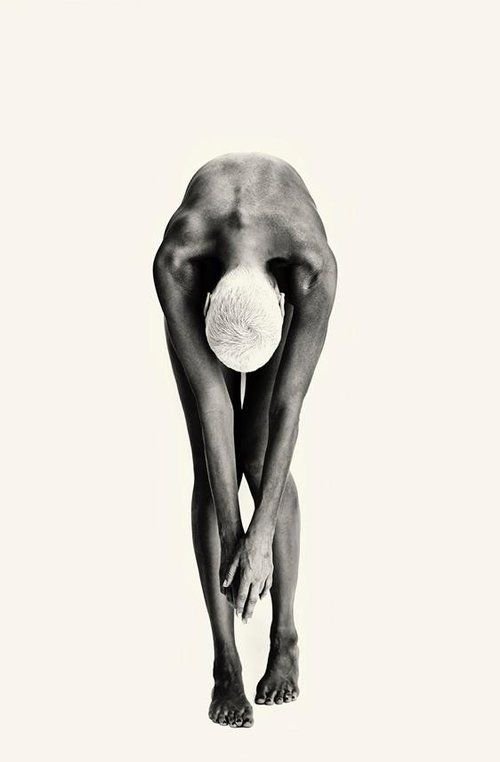
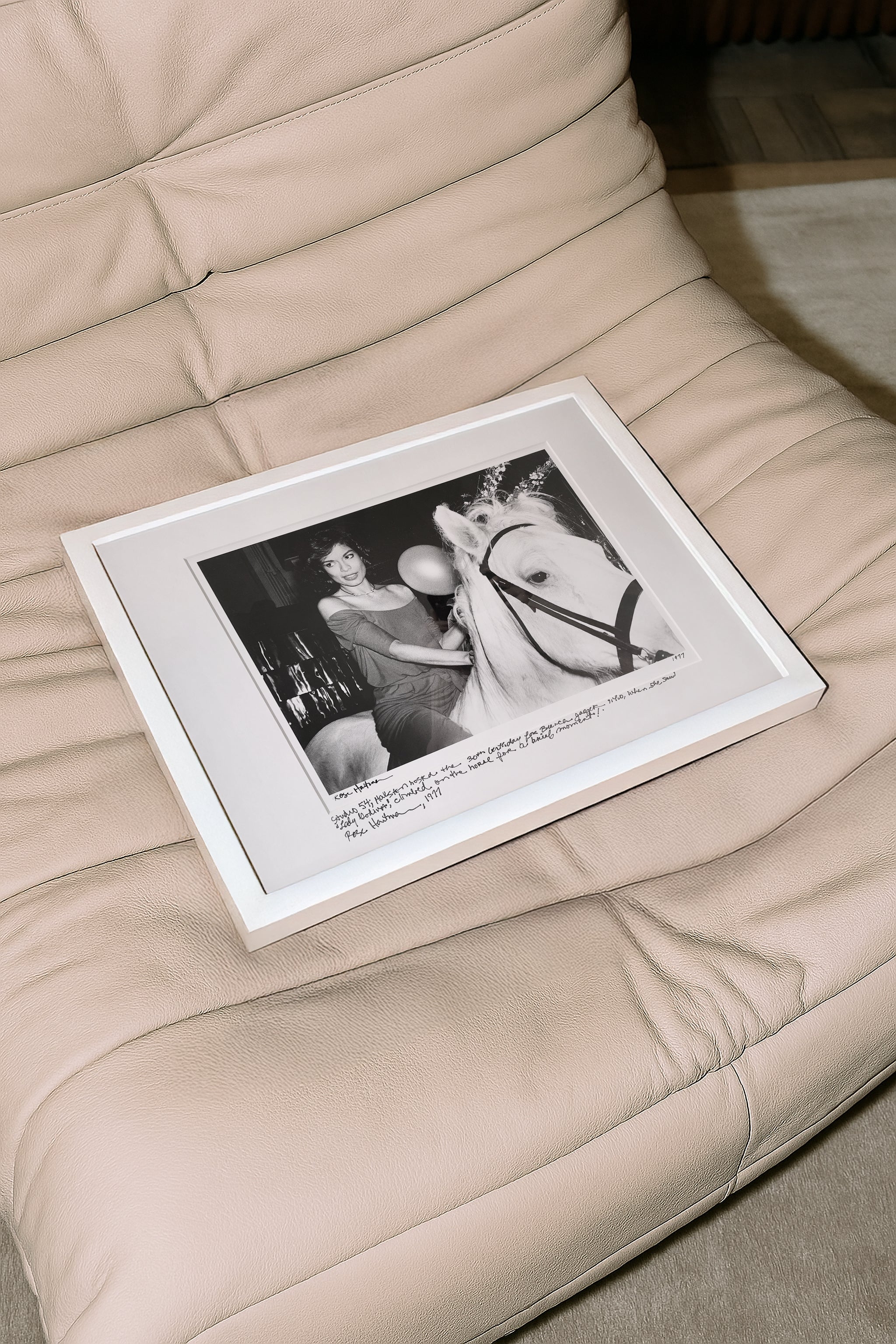
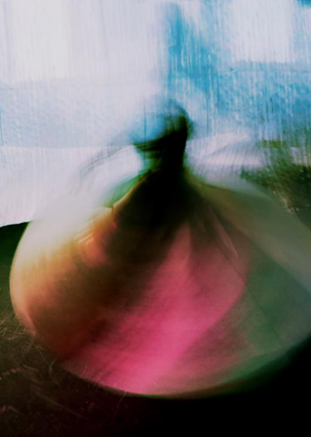
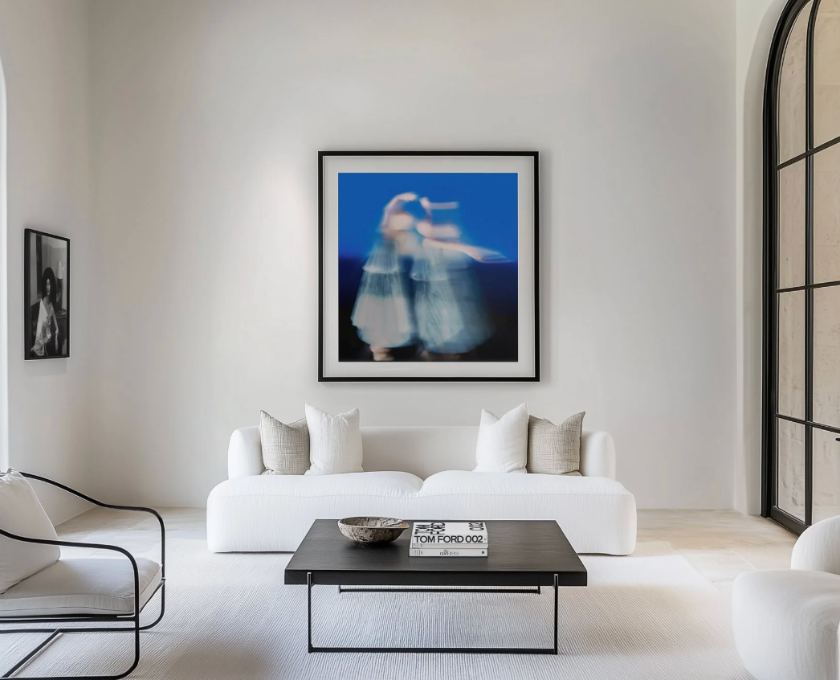
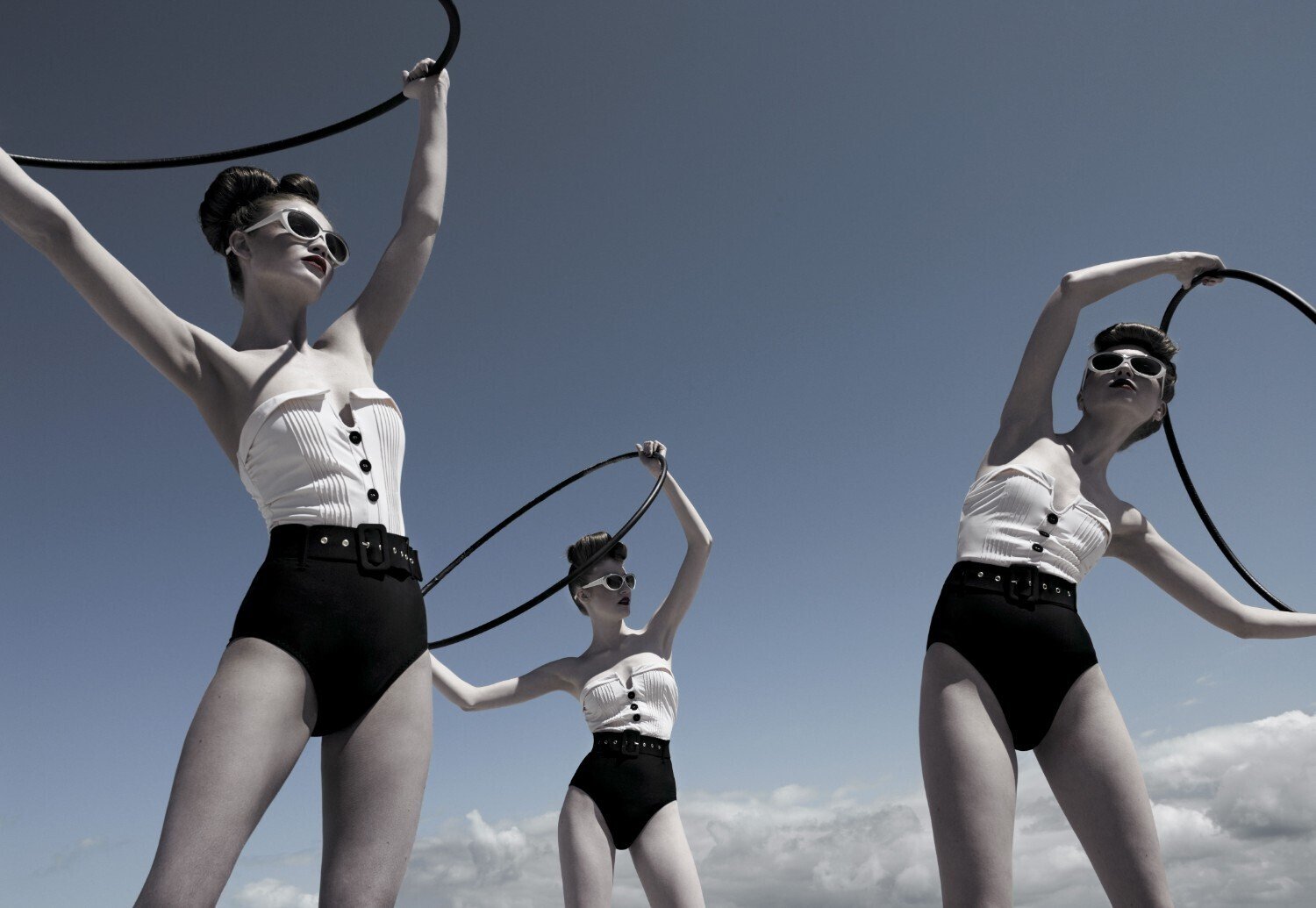
That imbalance became the gallery's founding premise. The Selects Gallery works with the archives of fashion and cultural photographers with the aim of protecting that material before it disappears. The photographs that never ran are not lesser photographs. They are frequently the ones the photographer preferred.
She describes her own role in that work as decoding. An artist shoots intuitively, in a particular year, in a particular set of personal circumstances, against whatever the culture was doing at the time. Reading an image means connecting those things back together, including the parts the photographer never consciously processed.
Twenty years of postponing, and the filter that ended it
The pivot was not sudden. Marie left L'Oréal without a next job, in February in New York, with no plan. Her first move was to enrol in a certificate in art business at NYU, partly to learn and partly to stay occupied. She did not launch the gallery then. In her own assessment, she was not ready, and she was right not to.
Coach came next, and it was the right decision for a specific reason: it was one of the first fashion companies to go seriously digital, omnichannel, data driven, built around CRM. She wanted to learn it. But she made herself a promise going in, that she was postponing the gallery rather than abandoning it.
What eventually forced the decision was a personal rule. Her filter is regret. When she is uncertain, she tests a no and watches what happens in her body. If the answer produces regret, she changes it to yes. Her words on the gallery: she knew that if she did not launch it, she would regret it, and regrets are too heavy to carry.
There was also a practical clock running. The longer a career continues, the higher the fixed cost of the life around it, and the harder an entrepreneurial move becomes. That calculation is rarely discussed openly, and it ends more pivots than fear does. She left Coach and opened The Selects Gallery in 2018.
Starting without the credentials
Two obstacles came immediately.
The first was that photography, and fashion photography in particular, is less established as a collecting category in the United States than in France, where it is treated as part of the national heritage and where Paris Photo is the largest photography fair in the world. Marie arrived in New York and read the difference as a gap rather than a verdict, which is why education has been part of the gallery's work from the beginning.
The second was that she came from outside the art world. No art history degree, no gallery directorship, no credentials the field recognises. She approached serious printers and framers because she refused to compromise on production quality, and several of them declined to take her seriously. She has been reading her way into art history for eight years since and describes it as unfinished.
What broke the deadlock was one introduction. A friend suggested a meeting Marie did not understand the purpose of, and took anyway. It led to Picto, the Paris laboratory founded in 1950 in the circle around Henri Cartier-Bresson, which was then opening in New York. They looked at her files, told her what would hold at what format, and taught her the technical vocabulary she did not yet have. Picto still prints for the gallery.
The first photographers came through her own relationships. She had worked with many of them across her years in fashion, and several told her plainly that they trusted her and she could do what she wanted with their images. That roster was the foundation. A second encounter, with Leslie Simitch at Trunk Archive, then widened it considerably.
Her framing of this is worth keeping: the first step is hard, the second step is hard, and on the third step somebody helps you.
The timing was not luck, but it was not planned either
The resistance came from the photographers who did not already know her. They wanted to see a gallery before committing to one, which is the empty restaurant problem.
Then print collapsed into digital, and the assignment work thinned out. Preparing an archive for sale is real labour. Someone has to return to the original material, confirm the scan, establish when the picture was made, for which magazine, for which brand, and build the story around it. Photographers who had been shooting continuously never had the time for that, or the appetite. When the commissions slowed, they had both.
Marie had seen the shift coming while managing media budgets at Coach and watching print spend move to digital. It sharpened her sense that the window was opening rather than closing.
What actually transferred
The premise most people carry into a pivot is that they are starting at zero. Marie's account argues the opposite.
What she took from marketing was a working method: you set the direction, then you surround yourself with people who know more than you about each part of the execution and you learn from them. That is how she chose marketing over finance in the first place, and it is how she runs the gallery now. She is explicit that she is not a photographer and has no ambition to be one. Her contribution is curatorial and strategic, and everything else is delegated to people who will do it faster and better.
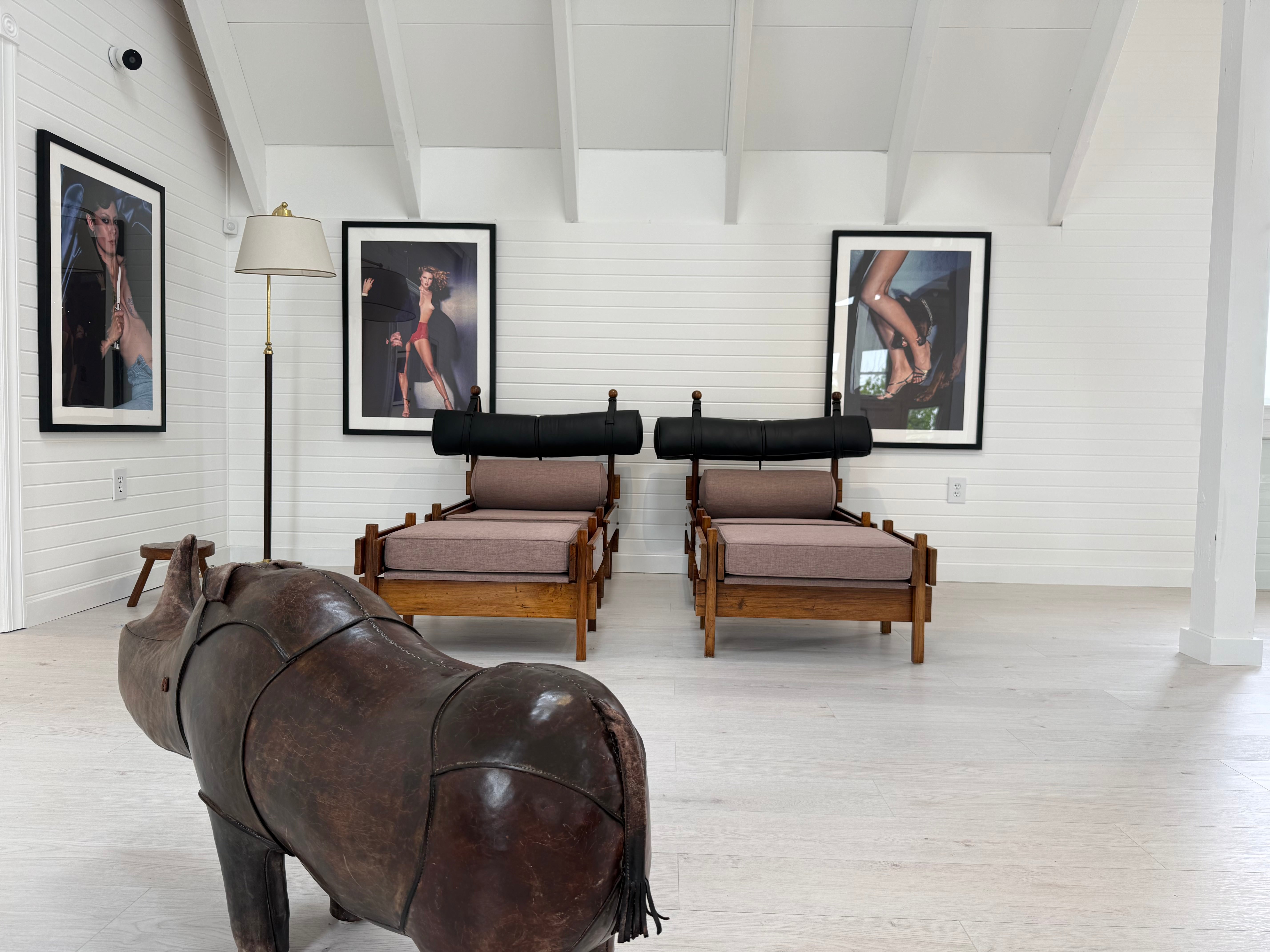
The gallery has also been online from the start, deliberately. Fashion photography was never precious. It was made to be picked up in a waiting room. Marie wanted the way people encounter it to keep something of that openness, which meant transparent pricing, visible sizes and framing options, and no requirement to walk into a room and ask.
Every photographer in the gallery is chosen by one person, which is what gives the roster its consistency. She calls the method a mix of logic and magic. She spends time with an artist, listens to how they describe what they do, which is usually loose and intuitive rather than articulated, and then does the research that connects the work back to where that person was living and what the world was doing at the time.
The jump is not always the point
The story most often told about a pivot ends with someone leaving one life entirely for another. Marie's has not worked that way, by design.
Since opening the gallery she has gone back into corporate roles more than once, as President of Philosophy and then as CEO of a jewellery company, while continuing to run The Selects. She is direct about why. She likes the work. It pays for a gallery that then never has to compromise, on printing, on framing, on which photographers she takes on, on anything. And it lets her hire people who execute better than she would.
There is a second reason that is less obvious. Curating is the one space where she answers to nobody. Corporate life requires constant compromise in service of the organisation, and she describes coming back to the gallery on a bad Monday, spending time with the work, and returning to the job steadier and more useful for it. The gallery makes her better at the corporate role, and the corporate role makes the gallery uncompromised.
She is watching the market for the point at which the gallery can take all of her attention. Until then the arrangement holds. Her own assessment is that this will take a lifetime, and that this is fine.
Watch or listen to the full episode
The episode runs 51 minutes.
Watch on YouTube · Listen on Apple Podcasts
Thank you to Thomas Werner Projects and 21 Summers for the conversation.
Every work in the gallery is a limited edition, printed to archival standard and issued with a certificate of authenticity, with sizes, framing and prices shown openly. If you are considering a first photograph or adding to a collection you have already started, ask the gallery.
Frequently asked questions
Who founded The Selects Gallery?
Marie Audier D'Alessandris, a French executive based in New York for twenty years. Before founding the gallery she spent fourteen years at L'Oréal across France and the United States and five years at Coach, and has since held roles as President of Philosophy and CEO of a jewellery company. She opened The Selects Gallery in 2018.
What does The Selects Gallery specialise in?
Fine art photography by established and contemporary photographers working in fashion, portraiture and visual culture. The gallery works directly with photographers and their archives, and sells limited edition and estate prints to collectors, interior designers and art advisors internationally.
What does it mean to protect a photographer's archive?
A commercial shoot produces far more images than are ever published. Protecting an archive means locating that unpublished material, confirming or producing archival quality scans, establishing when and for whom the work was made, and bringing it into circulation as editioned fine art prints rather than leaving it to deteriorate or be lost.
Where can I buy fashion photography prints?
The Selects Gallery sells online at theselectsgallery.com and ships internationally. Every work is a limited edition supplied with a certificate of authenticity, with size, framing options and price listed on each product page.