





Vermeer and Paul Bellaart: How Two Artists, Four Centuries Apart, Reveal the Sacred in Everyday Life
Johannes Vermeer, who lived from 1632 to 1675, painted fewer than forty known works during his lifetime, most depicting the quiet interiors of his home in Delft. Paul Bellaart, born in Amsterdam in 1969, is a Dutch photographer who studied at the Royal Academy of Art in The Hague. His work spans fashion, portraiture, and personal projects and has appeared in publications including Vogue, Elle, Marie Claire, and Vanity Fair.
At first glance, the connection between these two artists is not immediately obvious. Four centuries separate their lives, their mediums, and the worlds they sought to depict.
Yet beneath these differences lies a remarkable artistic affinity.

Johannes Vermeer, The Milkmaid, ca. 1660, Rijksmuseum, Amsterdam

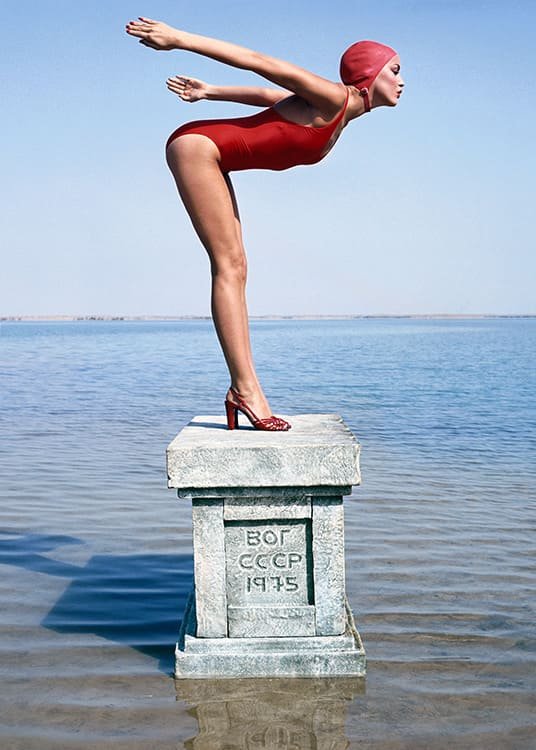
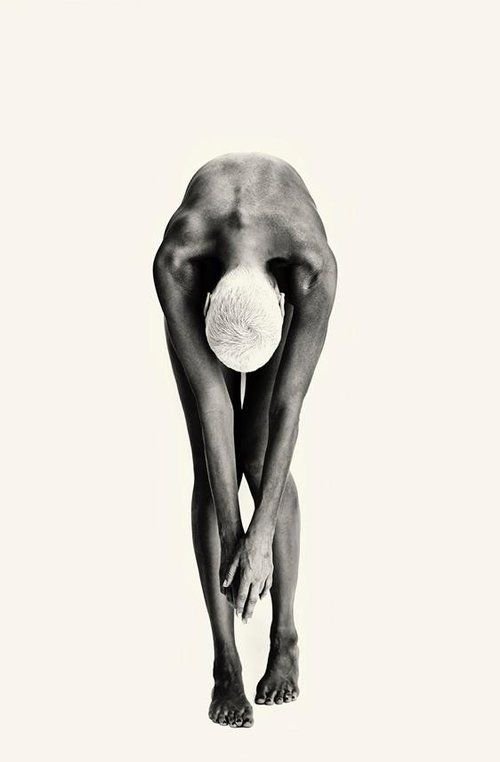
Paul Bellaart, Washerwoman, Holland – 2020
Both are drawn to moments that most of us would overlook. Neither search for the exceptional, the theatrical, or the monumental. Instead, they linger on the fleeting moments that quietly shape our lives: a woman absorbed in thought, hands moving through water, the warmth of the sun on bare skin, a pause between two gestures, or the silence of nature.
In both bodies of work, very little appears to happen. And yet everything does.
Vermeer and Bellaart share a quiet conviction: life reveals its greatest beauty not through constant excitement, but through moments of presence. Their work invites us to slowdown, observe more carefully, and rediscover a world richer than our hurried lives often allow us to see.
This shared philosophy unfolds through three defining qualities: intimacy, the sacred within everyday life, and stillness.
The Silent Observer. Why do Vermeer and Paul Bellaart create such intimate images?
One of the most striking affinities between the two artists is the role they assign to the viewer.
Neither artist asks us to participate in the scene. Instead, they invite us to witness it quietly.

Woman with a Lute, c. 1662-63. The Metropolitan Museum of Art, New York City

The Geographer, 1669, oil on canvas. Städel Museum, Frankfurt am Main


Vermeer's figures remain absorbed in their own world. They read, write, pour milk, or simply pause in thought, seemingly unaware of our presence. We are not intruding, nor are we being entertained. We become silent observers of a deeply private, contemplative moment.
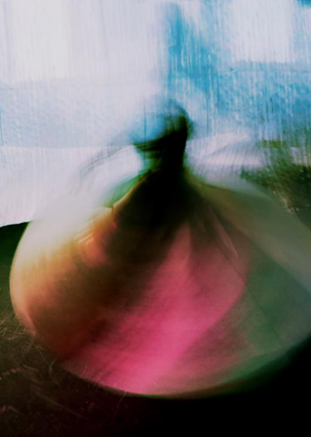
Bellaart creates a remarkably similar experience. Whether photographing figures immersed in nature, hands moving through water, Doutzen Kroes dancing or walking a horse, his subjects rarely perform for the camera. They exist independently of the viewer, inhabiting their own emotional space. His photographs never feel staged for our benefit; they feel lived.
This luminous yet solitary mood transforms us into quiet witnesses rather than participants. Rather than drawing us into the image through drama or narrative, both artists invite us to observe with patience and humility. Their work reminds us that genuine intimacy begins not with intrusion, but with attentive presence.
The Sacred Within Everyday Life. How are Vermeer and Paul Bellaart connected through their philosophy of seeing?
Neither Vermeer nor Bellaart is interested in extraordinary events. Instead, both elevate everyday life into something quietly transcendent.

Johannes Vermeer, Woman Holding a Balance, c. 1664, oil on canvas, Widener Collection, 1942.9.97

Paul Belllart
Vermeer transformed the rituals of domestic life into scenes of profound contemplation. Time seems suspended. The ordinary acquires an almost spiritual dimension, suggesting that beauty and meaning are woven into the fabric of everyday existence.
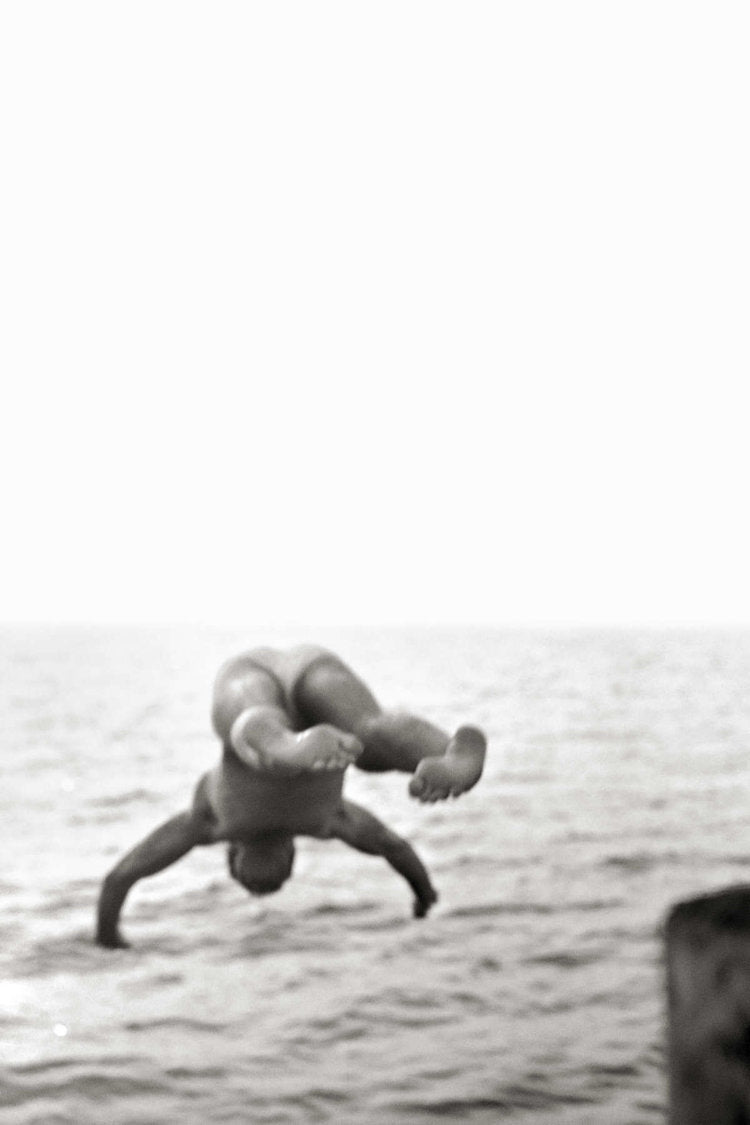
Paul Bellaart reaches a similar destination through nature. His images evoke an Edenic vision of humanity, one in which people exist in quiet harmony with the natural world. His photographs are not nostalgic fantasies, but reminders of an essential state of being defined by innocence, presence, and contemplation.
For both artists, transcendence does not come from escaping life but from inhabiting it more fully. The sacred is not reserved for grand historical events or religious subjects. It reveals itself in silence, in observation, and in the simple act of paying attention.
The Art of Stillness. Why is stillness central to both Vermeer and Paul Bellaart?
In a culture that rewards speed, distraction, and constant stimulation, the work of Vermeer and Bellaart both ask us to do something increasingly rare.
They ask us to slow down.
Yet the stillness they create emerges from different sensibilities.
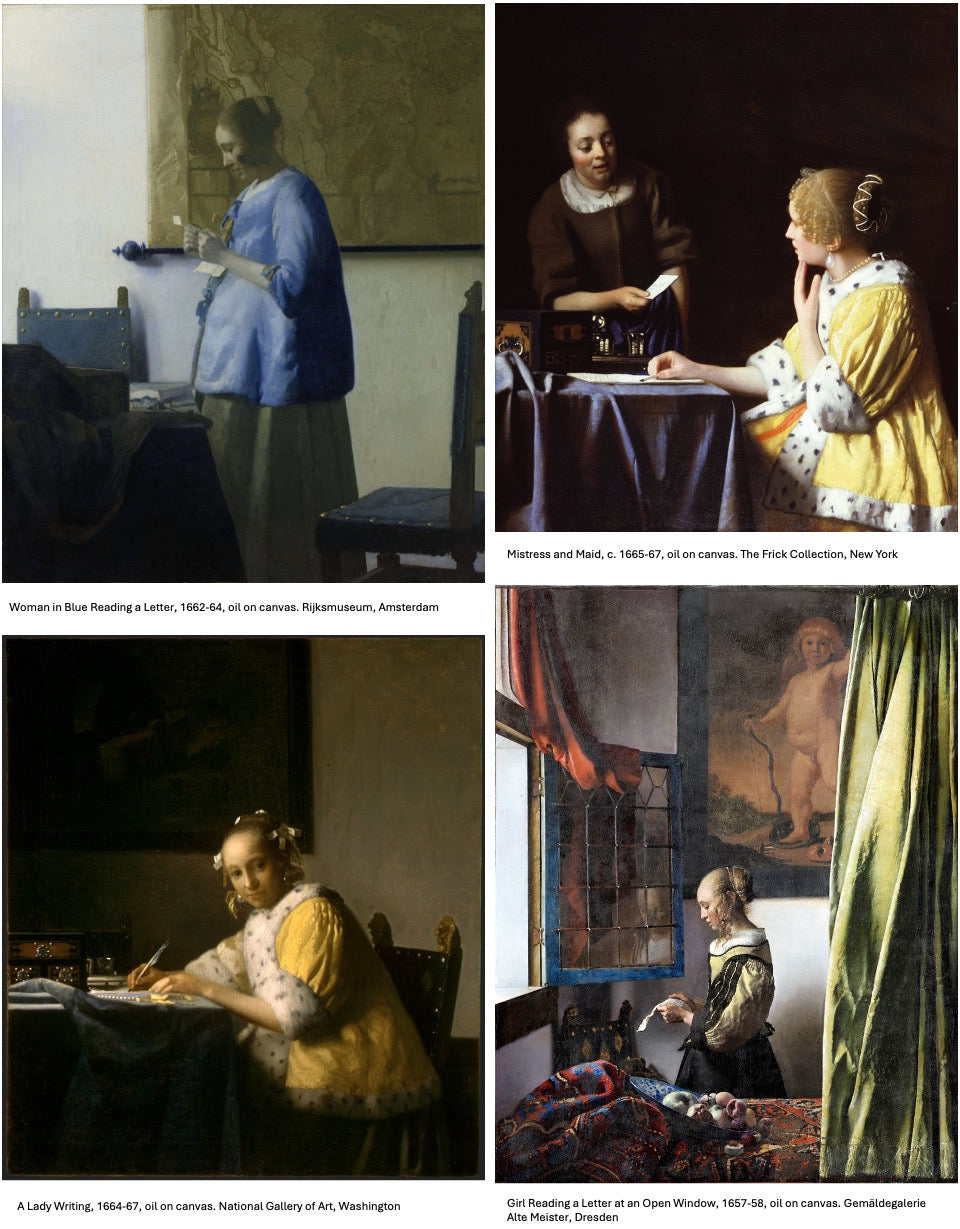
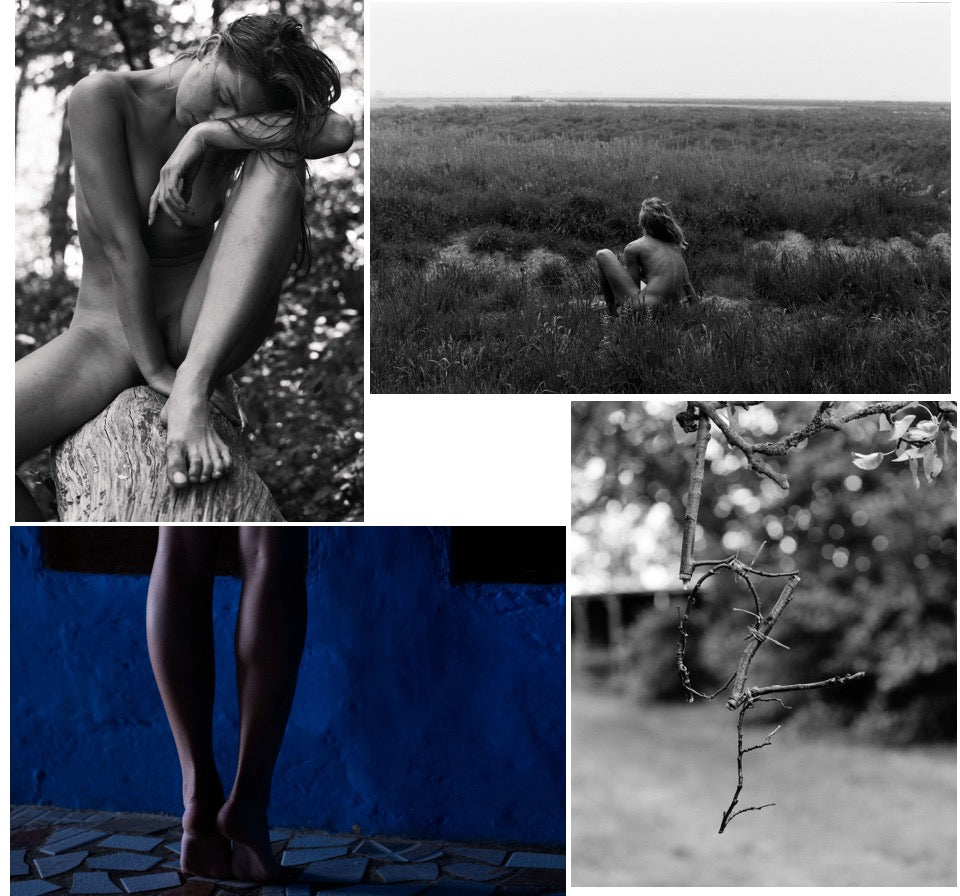
For Vermeer, stillness is born of restraint. His interiors are composed with extraordinary discipline. Gestures are measured, emotions remain understated, and every element contributes to an extraordinary sense of balance. The silence of his paintings reflects an inward life shaped by contemplation, modesty, and quiet observation.
Bellaart arrives at stillness through something more primordial. His photographs evoke a state that precedes self-consciousness, where humanity exists in effortless harmony with nature. Whether immersed in water, lying in tall grass, or moving through sunlit landscapes, his subjects possess the openness with which children first experience the world. His Edenic vision is not one of nostalgia but of return, reminding us of a more instinctive relationship with ourselves and the natural world.
Different in spirit, both artists ultimately lead us to the same destination. Vermeer's quiet interiors and Bellaart's open landscapes become places of refuge. One offers sanctuary within the intimacy of the home; the other within nature. Both invite us, if only for a moment, to step away from distraction and return to a quieter, more attentive way of experiencing life.
Learning to See. What can collectors learn from Vermeer and Paul Bellaart?

Woman with a Pearl Necklace, c. 1662-64, oil on canvas. Staatliche Museen zu Berlin – Gemäldegalerie

A Young Woman standing at a Virginal, 1670–72, oil on canvas. The National Gallery, London


Great artists do more than create memorable images. They quietly reshape the way we experience life.
The works of Vermeer and Paul Bellaart do not simply invite us to admire a painting or a photograph. They encourage us to become more present, more observant, and ultimately more alive to the world around us.
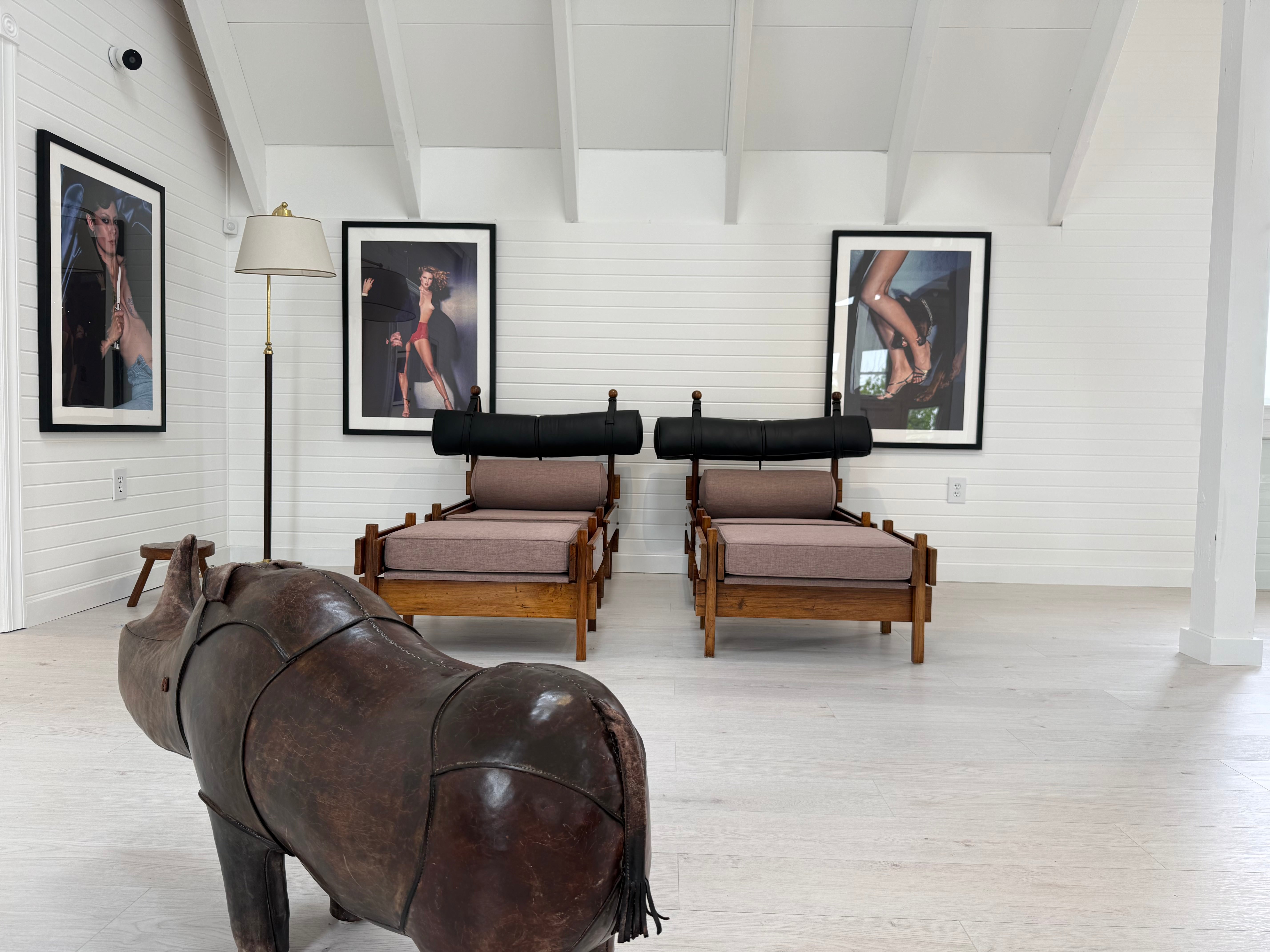
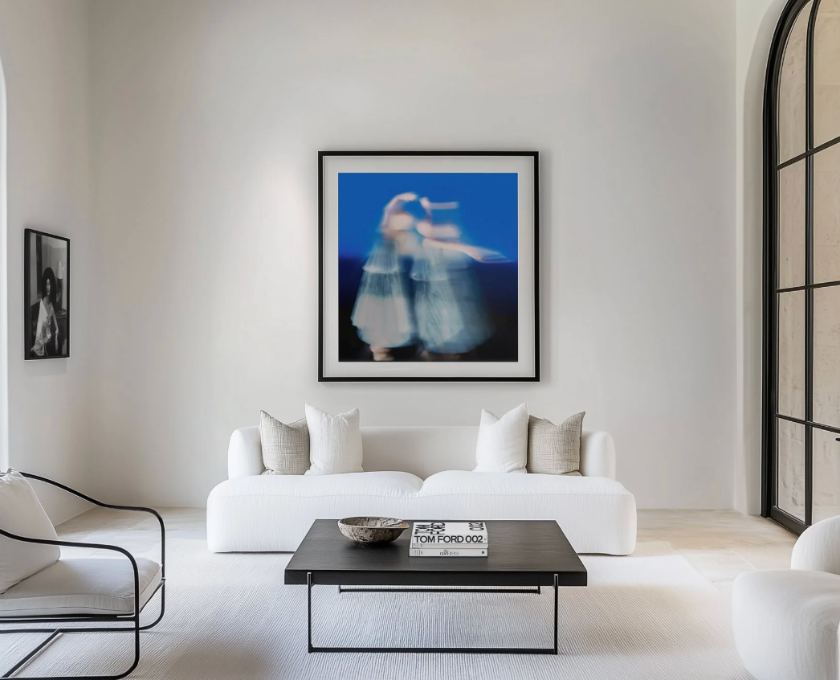
Collectors often speak about living with art rather than simply owning it. Perhaps this is why the work of both artists continues to reward repeated viewing. Their images do not reveal everything at once. They unfold gradually, enriching the atmosphere of a room while subtly changing the rhythm of our attention.
That may be the quiet thread connecting these two artists. Neither seeks to transport us somewhere else. Instead, both remind us that the deepest experiences of life are often already present, waiting only to be noticed.
Curator's Note
This essay does not suggest that one artist directly influenced the other. Rather, it proposes a shared philosophy of seeing that transcends time, medium, and artistic context.
Separated by four centuries, Vermeer and Bellaart invite us to become silent observers of life rather than passive consumers of images. One finds the sacred within the quiet rituals of domestic life; the other discovers it through humanity's primordial relationship with nature. Both remind us that art's greatest achievement is not simply to depict beauty, but to deepen our experience of life itself.
For collectors, these are works that do more than occupy a wall. They quietly shape the atmosphere of a home and, over time, the way we inhabit it.
This is only one thread connecting these two remarkable artists. In the next essay in our Collector Education Series, we explore another fascinating parallel: how Vermeer and Bellaart use light, composition, and atmosphere to create images of extraordinary emotional depth.
READ MORE BLOGS