




Collector's Guide
Print Date in Photography: What Collectors Need to Know
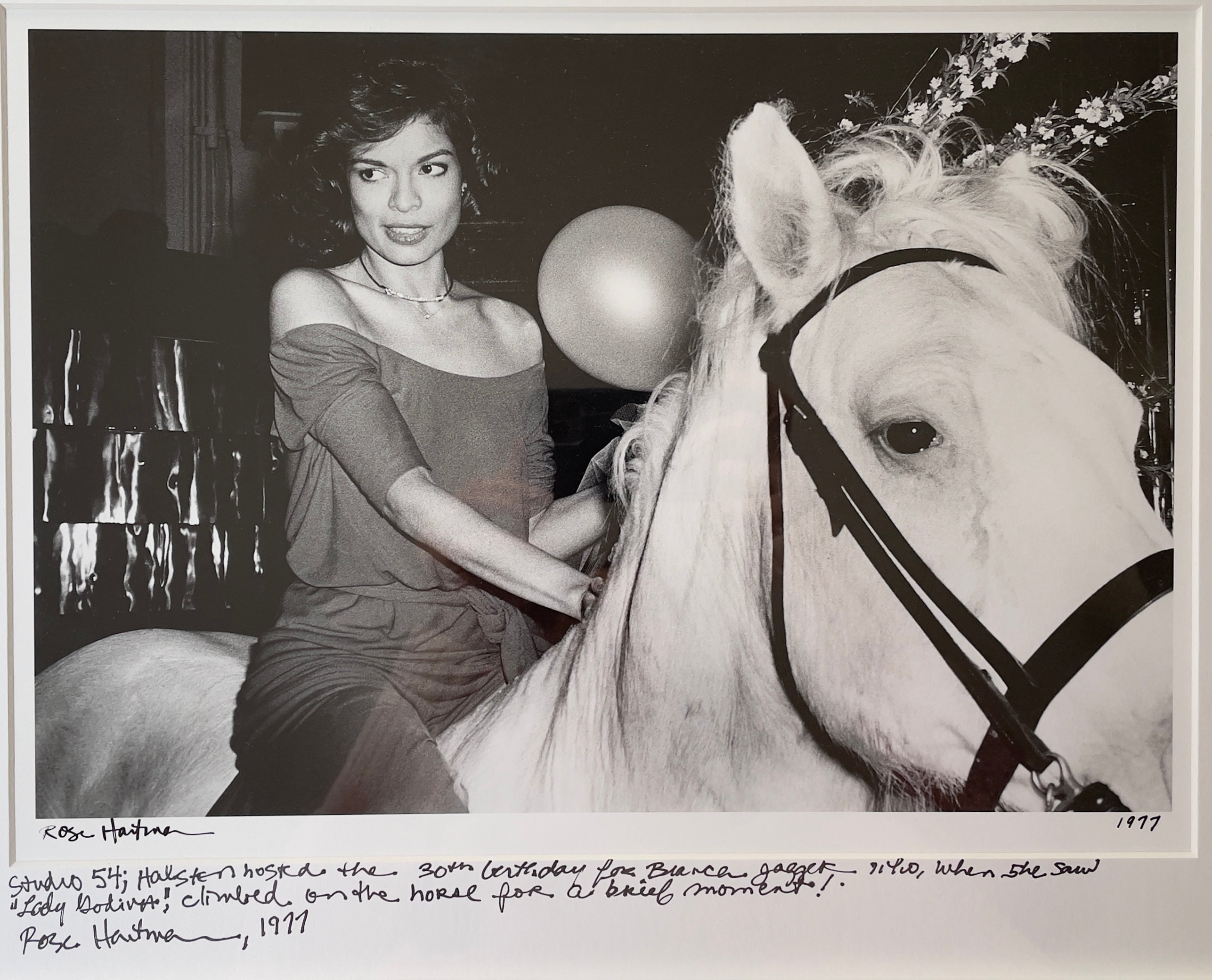
When acquiring a fine art photograph, collectors often focus on the image itself: its composition, subject, and the photographer's name. There is, however, a less visible but equally important question to consider: when was this print made?
Unlike painting or sculpture, a photograph does not exist as a single, fixed object. It can be printed multiple times, across different formats, materials, and periods. As a result, the print date becomes central to understanding a work's authenticity, authorship, and value.
Understanding the Different Types of Prints
The photography market generally distinguishes among three types of prints: vintage, later (or modern), and posthumous (or estate).
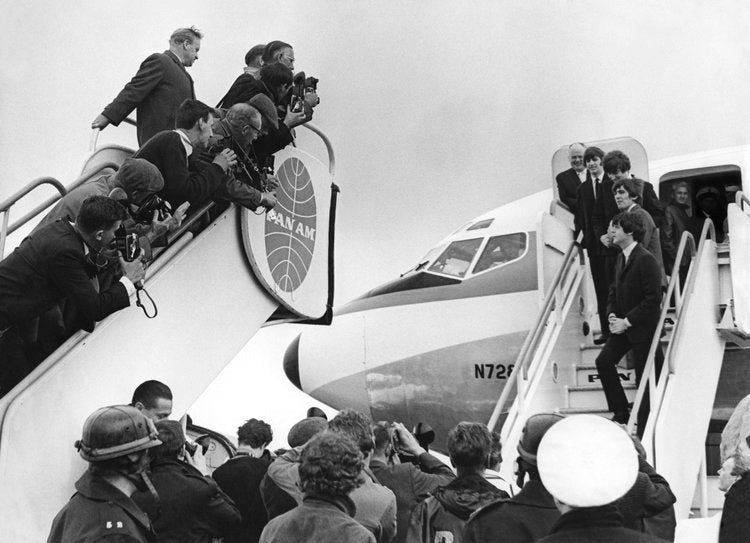
A vintage print is made close in time to when the negative was exposed, typically within one to five years. A later print is produced years or even decades after the image was taken, often from the same original negative. A posthumous or estate print is made after the photographer's death, usually under the supervision or authorization of the artist's estate.
Each category carries different implications, not only in terms of market value, but also in how closely the print reflects the photographer's original intent.
Vintage Prints and Their Appeal
Vintage prints occupy a particular place in the collector's imagination. They are often seen as objects that existed alongside the moment they depict, carrying a sense of immediacy and historical proximity. This closeness to the origin is frequently reflected in pricing, and vintage prints can command significant premiums at auction. They also suggest a degree of involvement by the photographer, who would have printed, or overseen the printing of, the work at the time.
That said, the premium attached to vintage prints is not automatic. Condition plays a critical role: paper can yellow, surfaces may oxidize, and handling over time can affect the image. A photograph printed in 1951 from a 1951 negative is not necessarily superior to one printed in 1990 from the same source. If the later print was made under the photographer's supervision, signed, and produced with better materials, it may in fact offer a more faithful realization of the image.
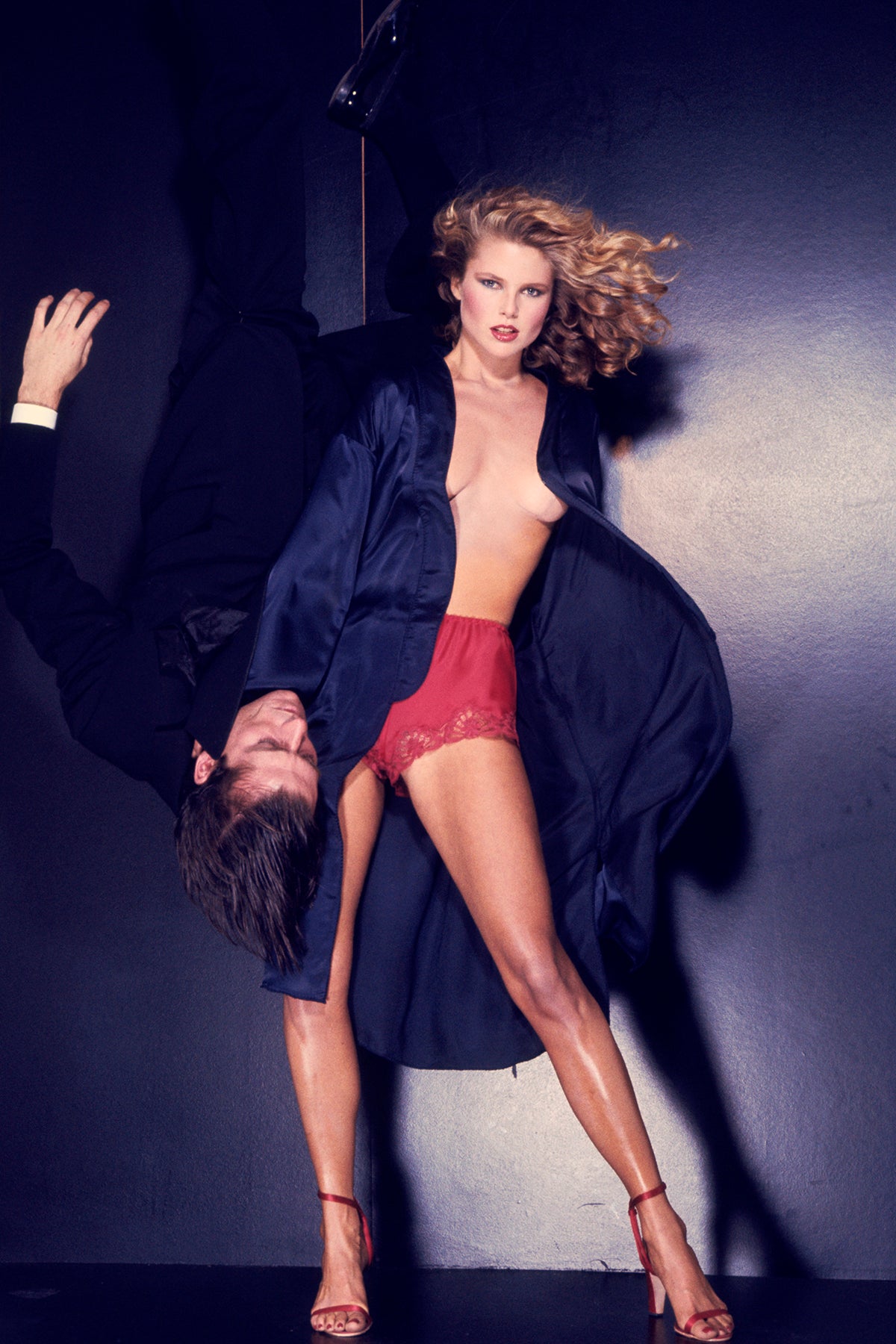
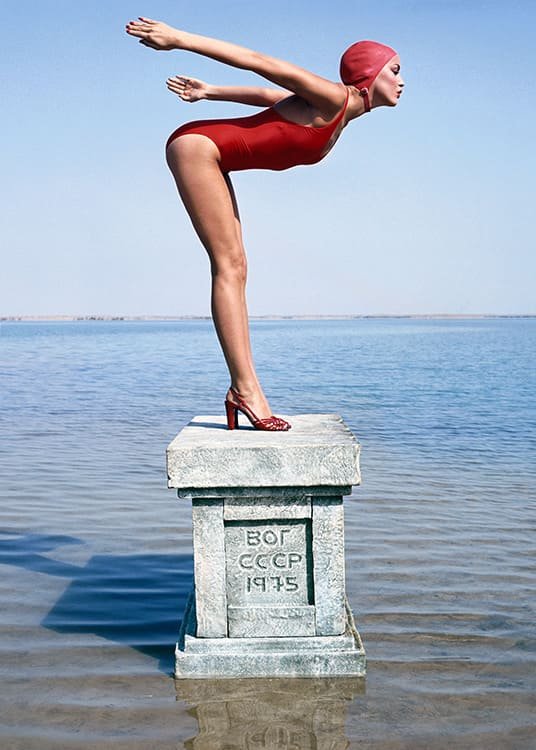
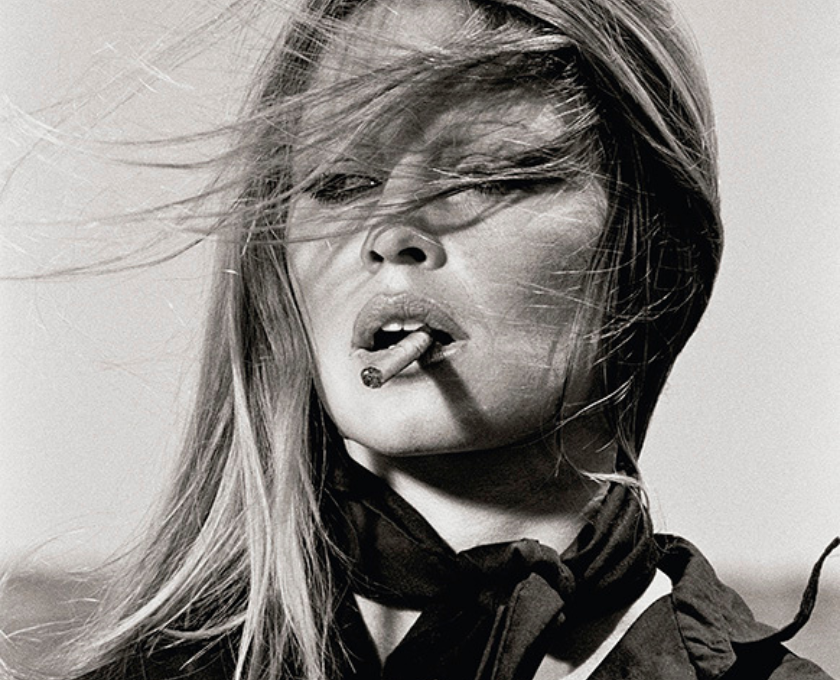
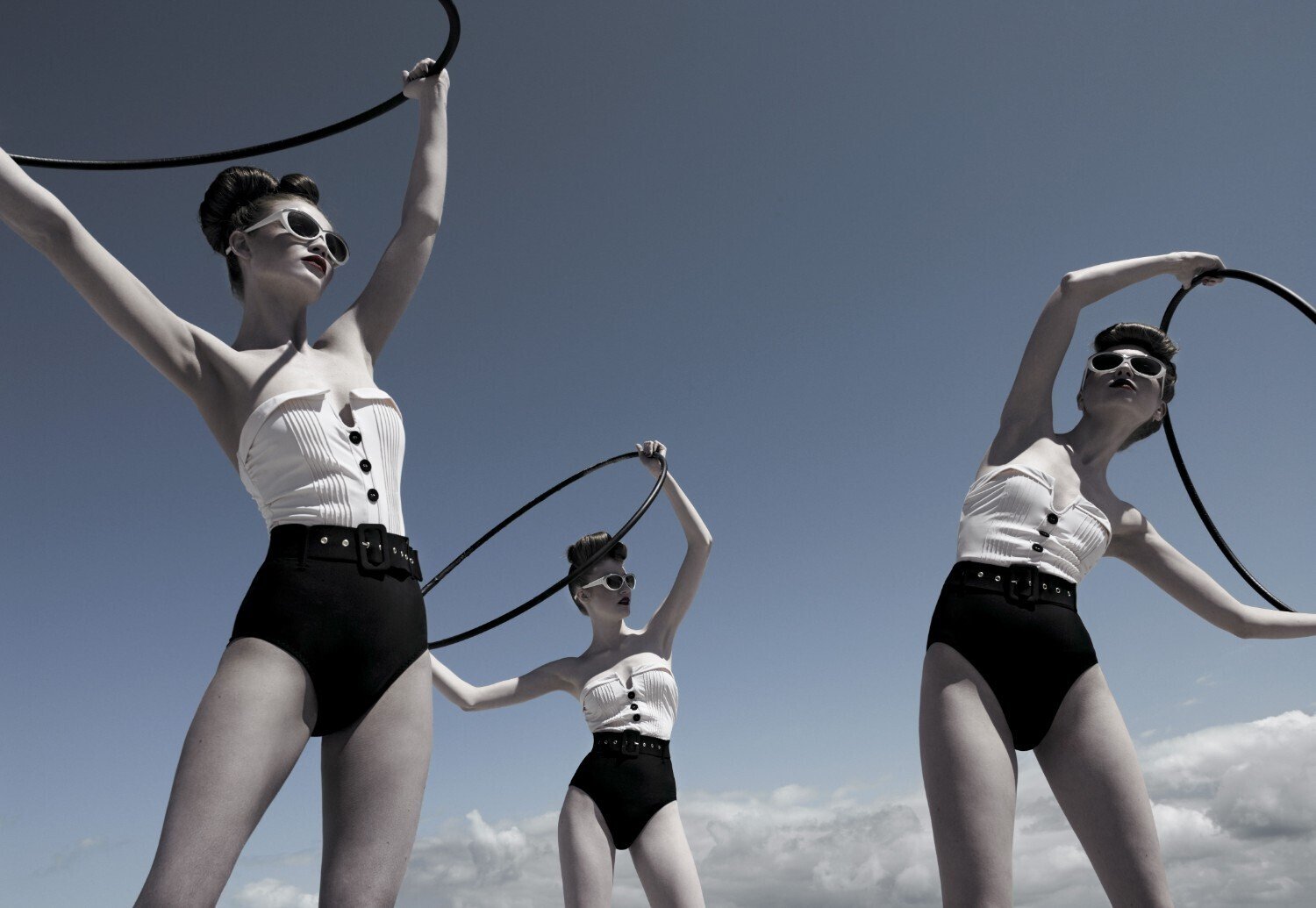
Christie Brinkley, Knockout, 1977 - Chris Von Wangenheim
Later Prints: Necessity and Intent
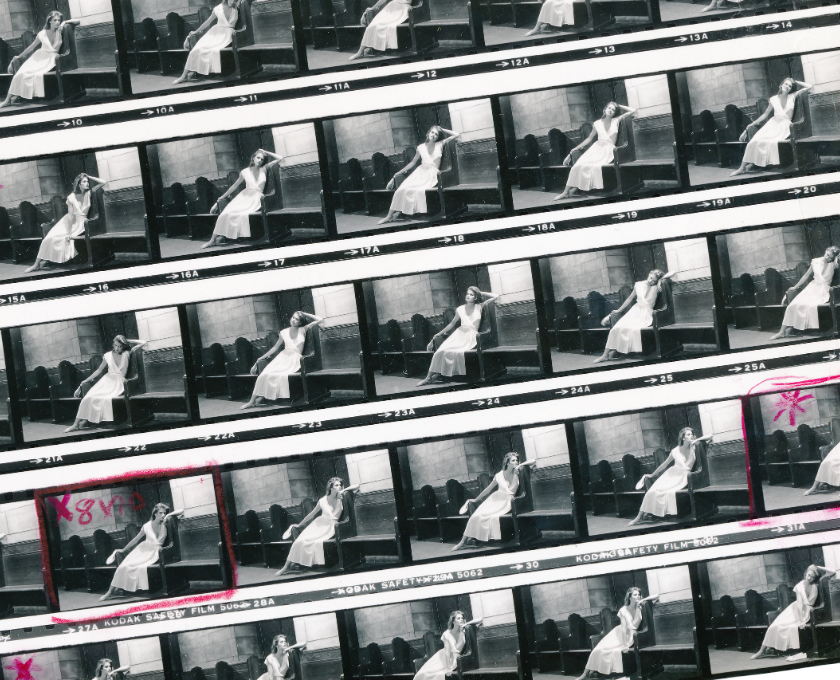
Later prints are not simply secondary options. In many cases, they are the only prints that exist in exhibition quality. This is particularly true in photojournalism, fashion, and cultural photography, where photographers often did not produce finished prints at the time of shooting. Instead, they relied on contact sheets, grids of small images used for editing, or printer's proofs (PP), which served as technical references rather than final works. In such cases, later prints become the primary way of experiencing the photograph as an artwork.
Many photographers also returned to their images later in life, refining them with greater control and improved materials. Ansel Adams is a well-known example, having authorized later prints long after the original negatives were made. These prints are highly valued, not only for their quality but also for the artist's continued involvement. Similarly, Andreas Gursky frequently produces works for exhibition well after the image is created, using advanced techniques to fully realize the scale and precision of the image.
In this context, the key question is not simply when a print was made, but how it was made, and whether the process aligns with the photographer's sensibility.
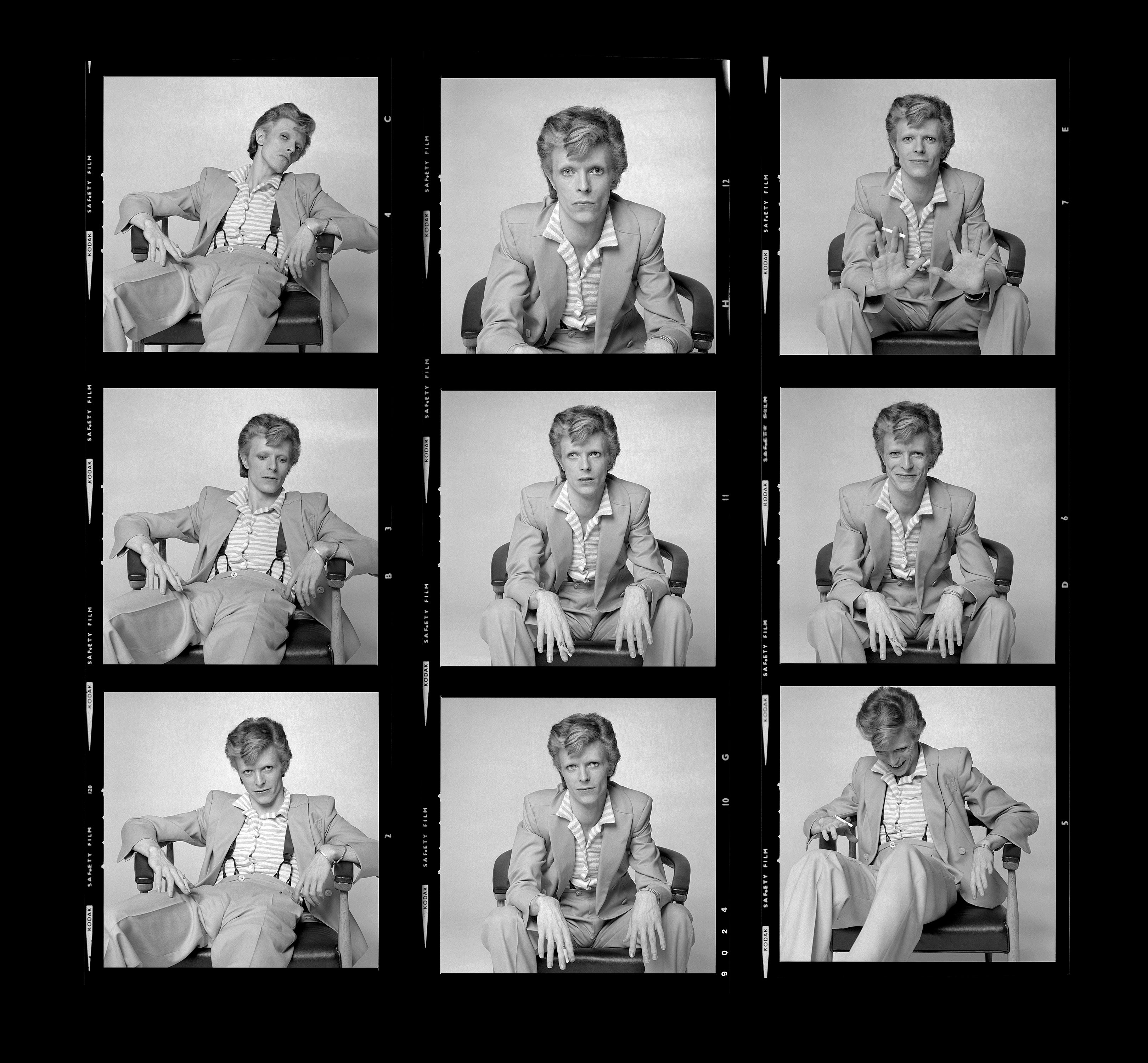
David Bowie Contact Sheet 03 - Terry O'Neil
Lifetime Prints and the Role of the Artist
Closely related to vintage prints is the notion of the lifetime print: made during the photographer's lifetime, ideally under their direct supervision or by their hand. These prints are often more highly valued because they reflect active artistic decisions. Printing, in this sense, is not mechanical but interpretive, involving choices in tone, contrast, cropping, and paper.
Irving Penn exemplifies this approach. He personally oversaw the printing of his work, treating each print as an interpretive act involving choices in tone, contrast, and paper. At the same time, many photographers are primarily focused on creating images rather than printing them. In such cases, lifetime prints may be rare or selectively produced. Ansel Adams continually reinterpreted his own negatives over decades, treating each new print as a fresh set of decisions. This complicates any simple equation between age and authority.

Faye Dunaway The Morning After, 1977 - Terry O'Neill
Estate Prints and Evolving Perspectives
Estate or posthumous prints, produced after the photographer's death, have historically occupied a more debated position. Museums such as the Getty and the Tate have acquired estate prints, acknowledging their role in extending an artist's legacy, particularly when lifetime prints are scarce. Their value depends largely on the rigor and fidelity of the printing process to the artist's original methods.
As the field has matured, distinctions between vintage, later, and posthumous prints have become more nuanced, reflecting a broader understanding of photography as both image and object.
What Ultimately Matters
Across all categories, one principle remains constant: the importance of provenance and transparency. Understanding the material story of a print, how, when, and by whom it was made, allows collectors to place a work within its proper context, beyond surface impressions.
Questions Collectors Should Ask
Before acquiring a photograph, collectors should consider three essential questions:
1. When was the print made in relation to the negative and the artist's lifetime?
2. Who made it, and under what conditions?
3. Does the process align with how the photographer typically worked?
The answers will not always change a decision. Many collectors acquire later prints of significant images and live with them happily for decades. The goal is not to privilege one category over another, but simply to understand what one is acquiring, and to value it accordingly.
At The Selects Gallery, print date and provenance are disclosed for every work in our collection. Our advisors are available to answer any questions before you acquire.
Learn More About Collecting Photography
1. The Ten Essential Criteria for Collecting Fine Art Photography
With its relatively recent recognition as a fine art, photography has steadily gained prominence. What was once seen primarily as a tool to document moments and people has now become a respected...
2. Collecting Photography: The Importance of the Artist’s Reputation
One of the most important factors to consider when purchasing a work of art is the reputation of the artist. This reputation not only determines the monetary value of the piece but also its cult...
3. Collecting Photography: Subject Matter
When determining whether to buy a piece of art, one of the most important aspects to consider is the subject matter and style. The subject matter defines the emotional and cultural value of the ...
4. Rarity and Edition Size in Photography Collecting
As part of The Selects Gallery Collectors’ Guide, this article explores one of the most influential factors in determining a photograph’s market value: rarity and edition size. Understanding how ed...
5. The Cultural and Historical Value of Photography
Photography has always been more than an art form. It is a witness to history. Beyond their aesthetic appeal, certain photographs hold important historical and cultural value, offering a firsthand ...