


ARTHUR BELEBEAU
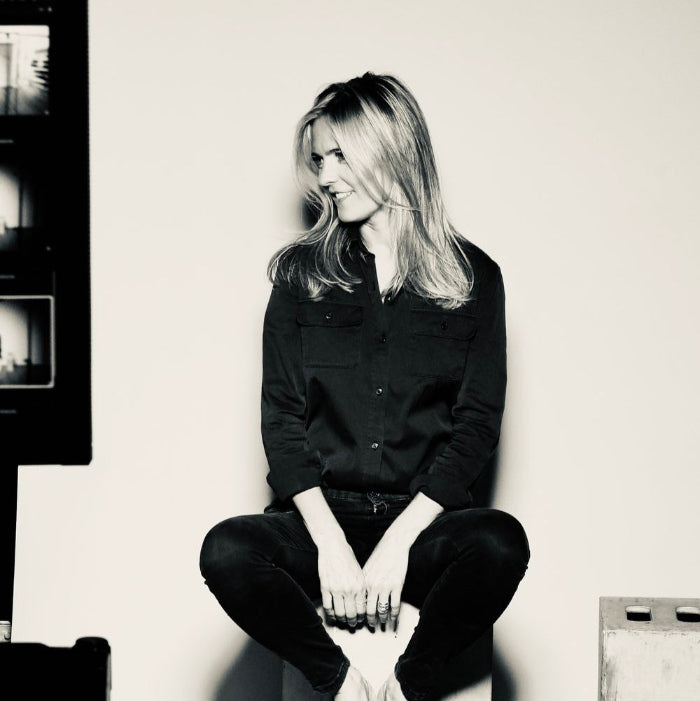
Arthur Belebeau was born and raised in Paris. He was given his first polaroid camera at the age of 6, and still to this day couldn’t be without one. Arthur first started assisting Mario Testino, Robert Erdman, and Jean-Baptiste Mondino, before moving to New York City in 1995. His images are regularly published in Vanity Fair, Glamour, Cosmopolitan, Elle, Marie Claire, GQ, Treats, Black Magazine, Self, Shape, Woman’s Health, among others. Arthur currently lives in Manhattan.


Our Notes
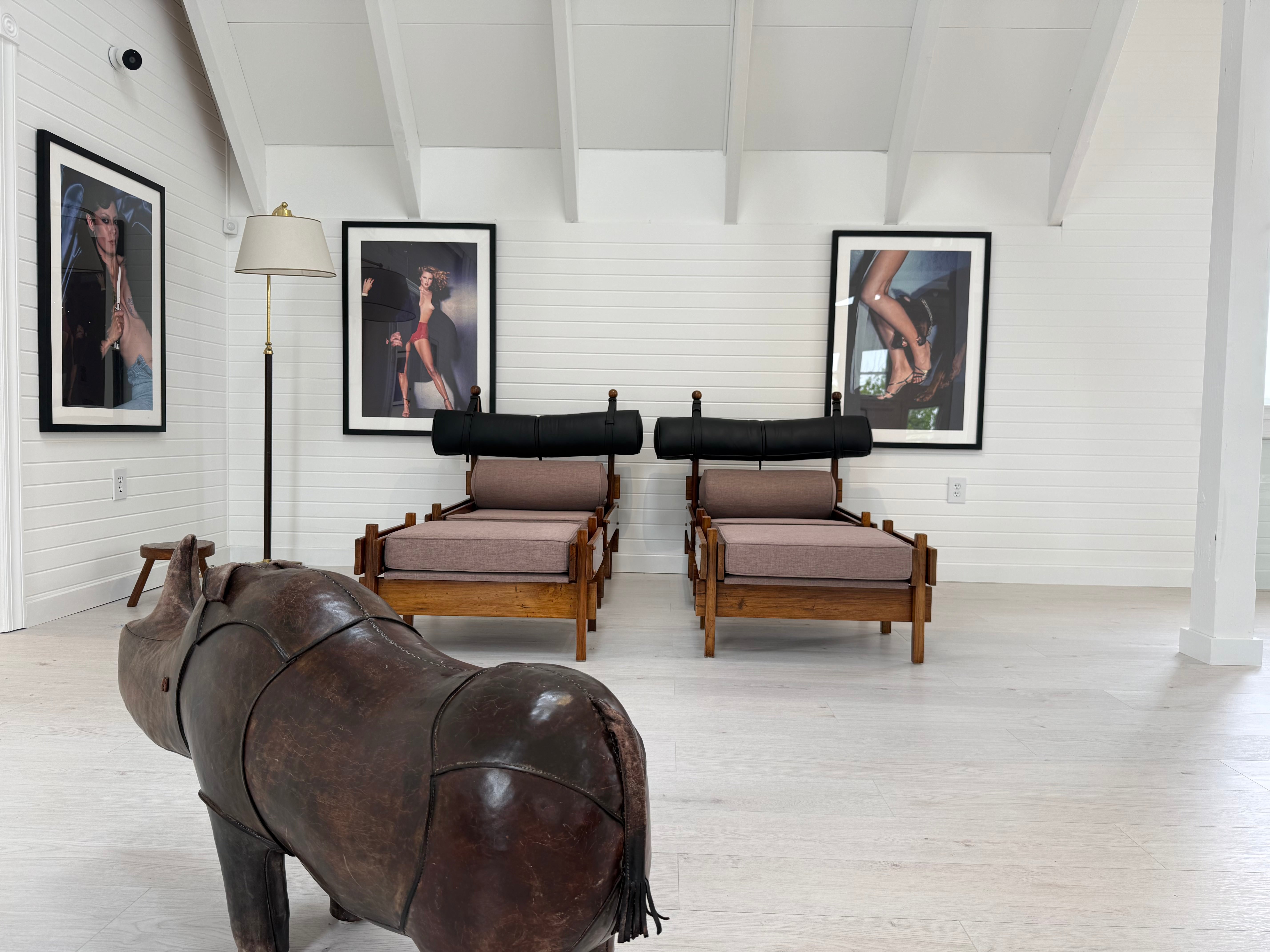
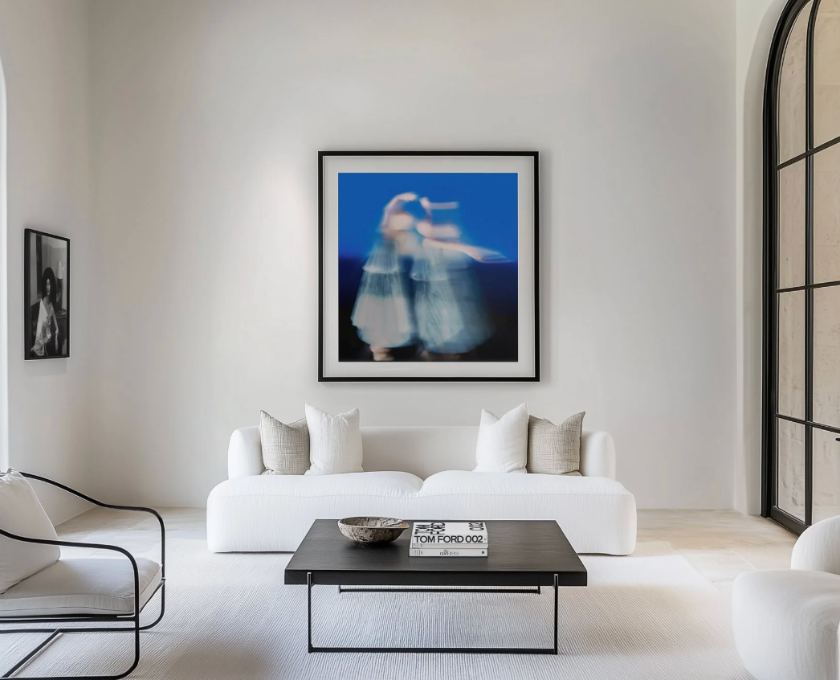
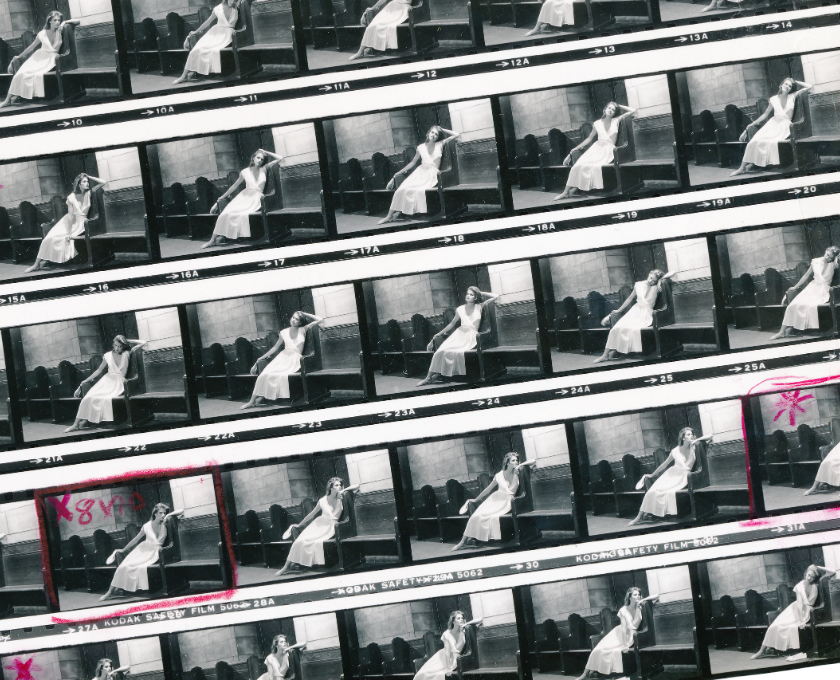
Arthur Belebeau stands out in contemporary fashion and beauty photography as a practitioner whose work operates with the precision of commercial image-making yet carries the conceptual coherence of an artist’s studio practice.
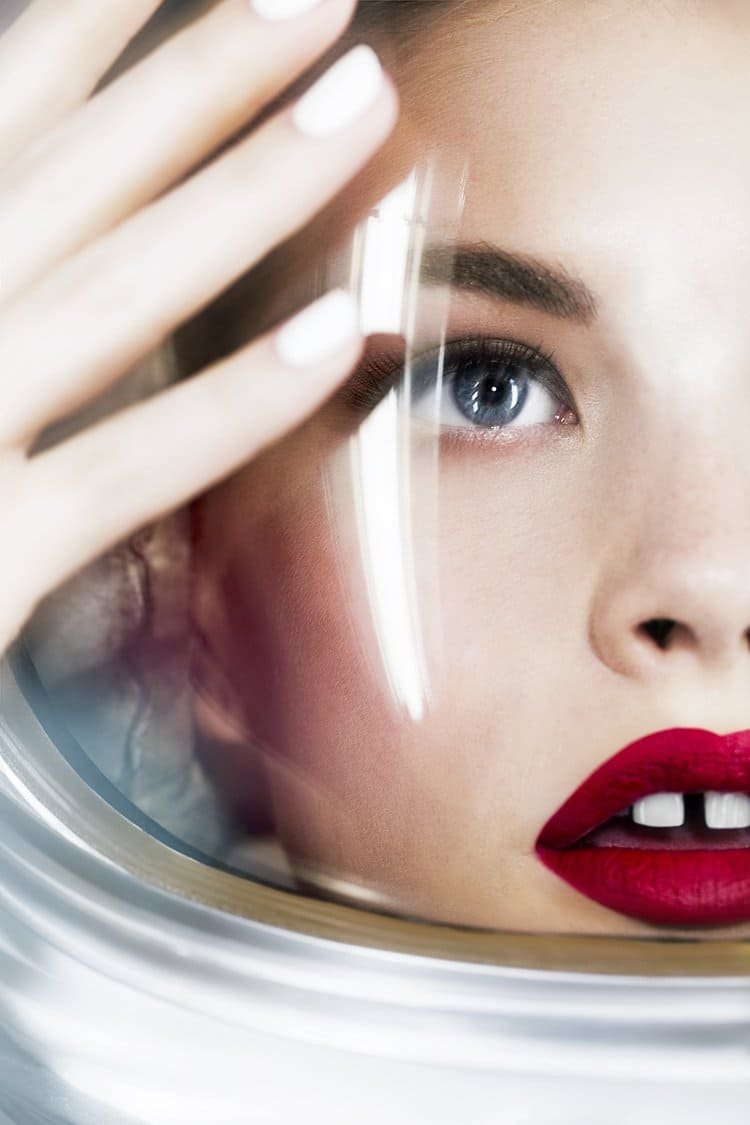
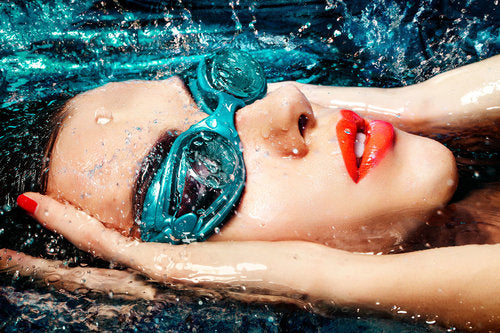
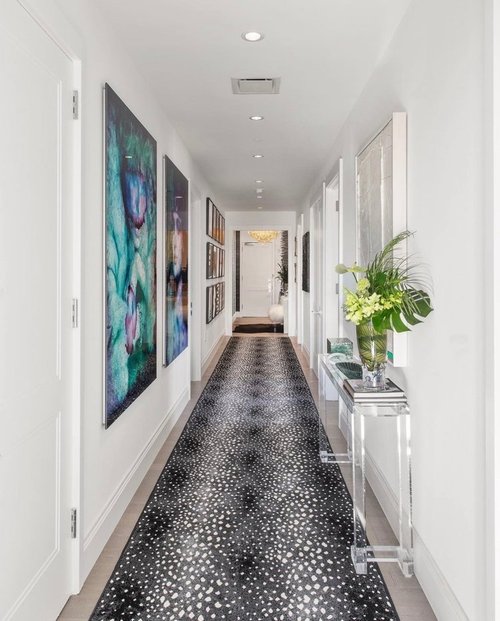
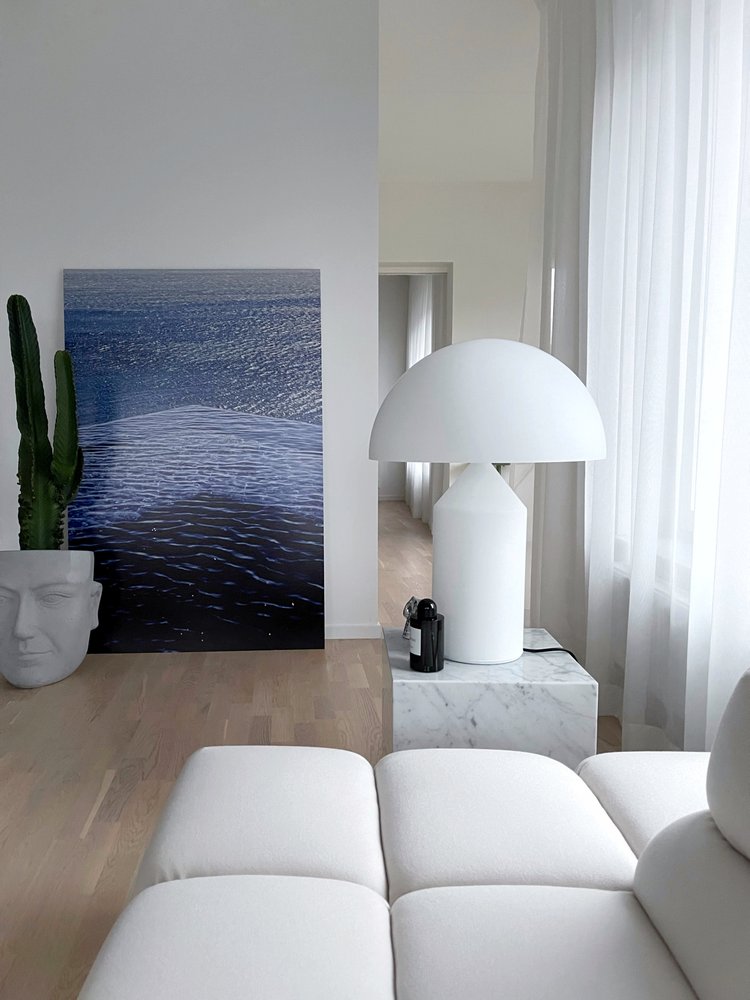
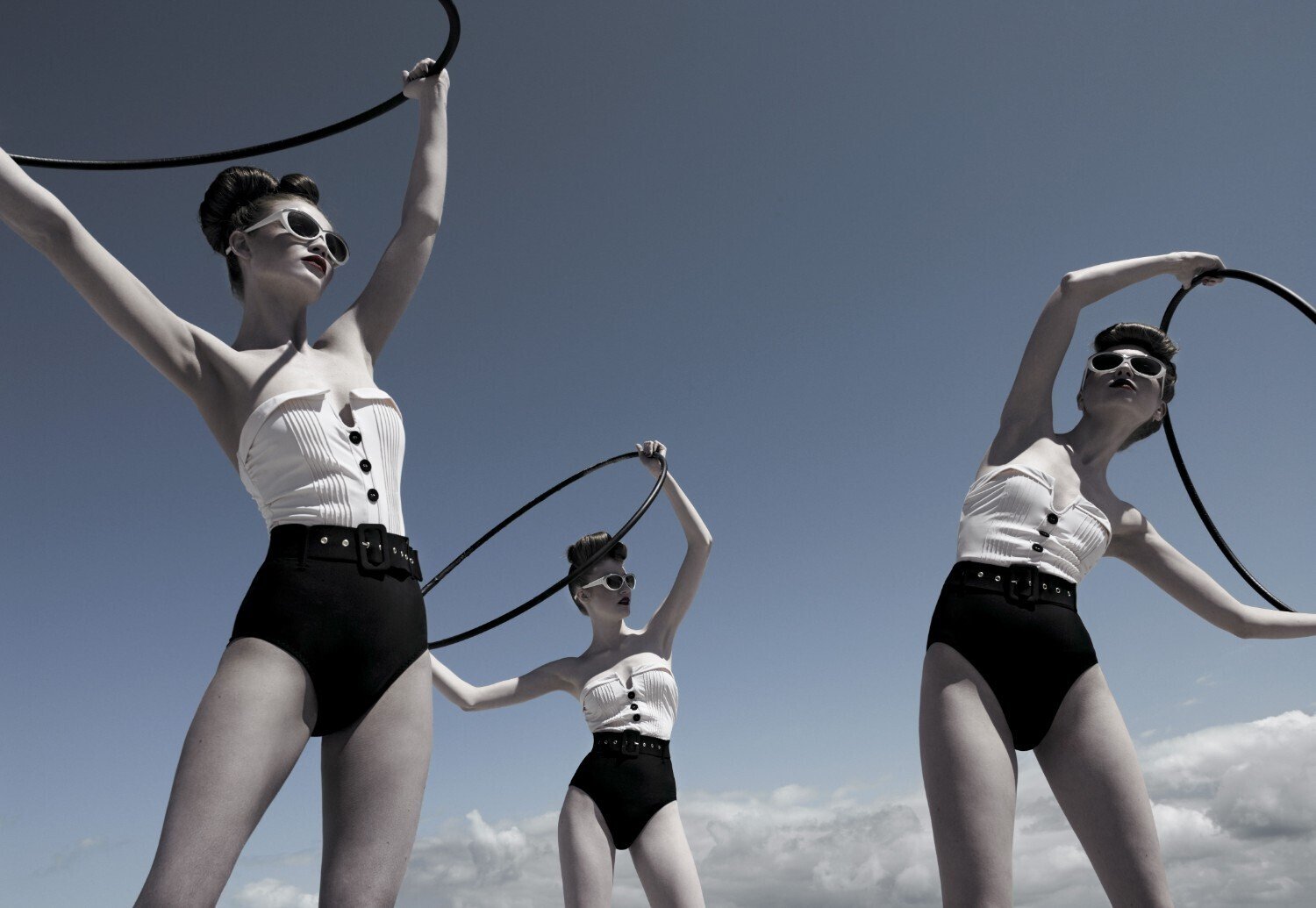
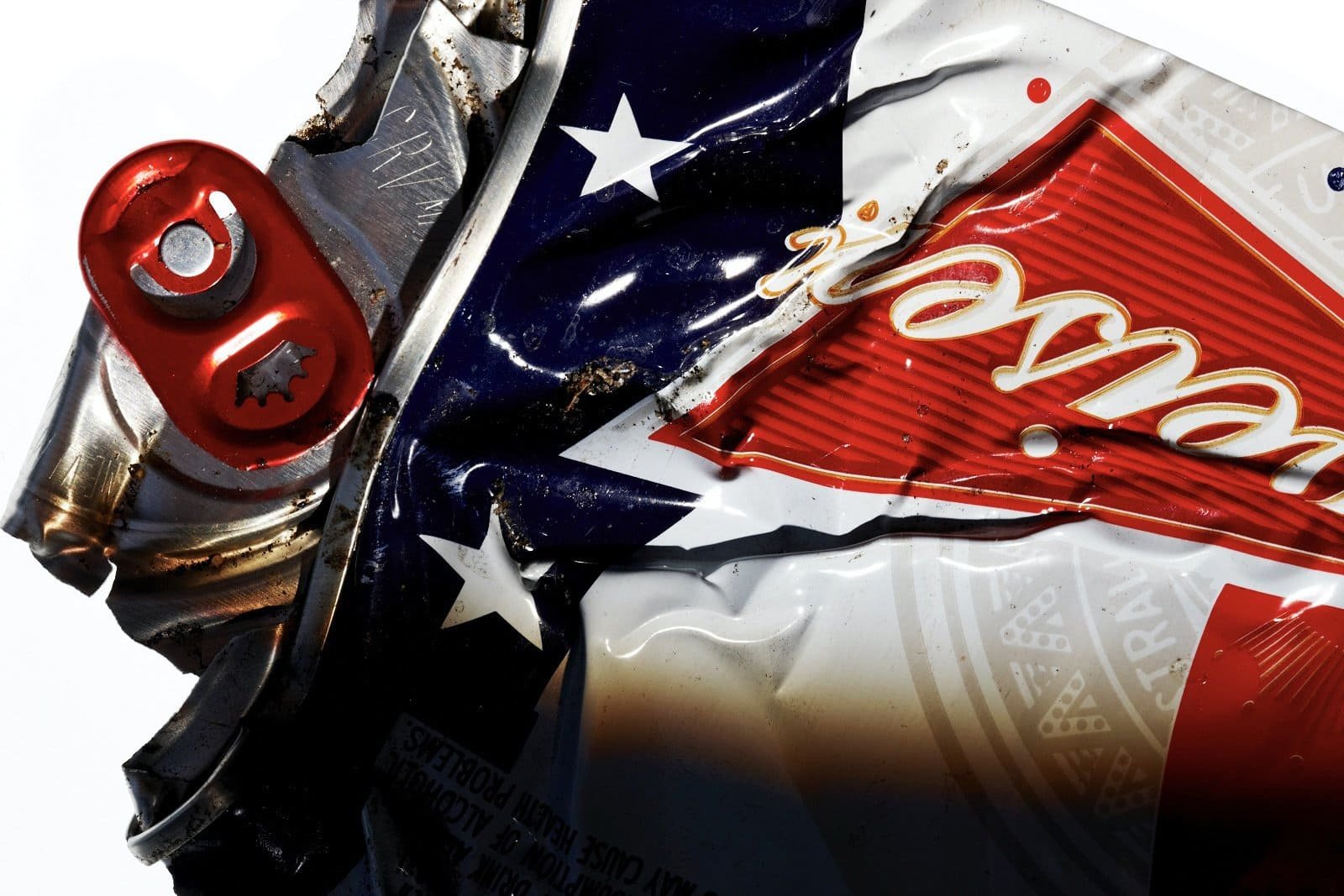
At the core of Belebeau’s practice is a distinctly pop-informed color sensibility. He treats color as a primary structural element, allowing bold hues to become graphic punctuation marks. This insistence on chromatic clarity connects his work to the legacy of Pop Art and to the highly controlled color fields of late-20th-century fashion photography, yet his images remain resolutely contemporary in their digital sharpness and post-production polish.
Equally distinctive is his approach to lighting, which might be described as a high-definition pop lighting technique. Light in Belebeau’s photographs is not neutral illumination but an active agent that sculpts,
isolates, and amplifies. Edges are clean, shadows are calibrated, and highlights are deployed almost like graphic marks. This clarity recalls the gleaming futurism of mid-century “space age” imagery, where surfaces were polished to an otherworldly sheen and technology promised a frictionless future. Transposed into the present, Belebeau’s lighting vocabulary gives his subjects an elevated, almost hyper-real presence, aligning the work with the aspirational ethos of luxury fashion while also introducing a slightly uncanny, sci-fi inflection.
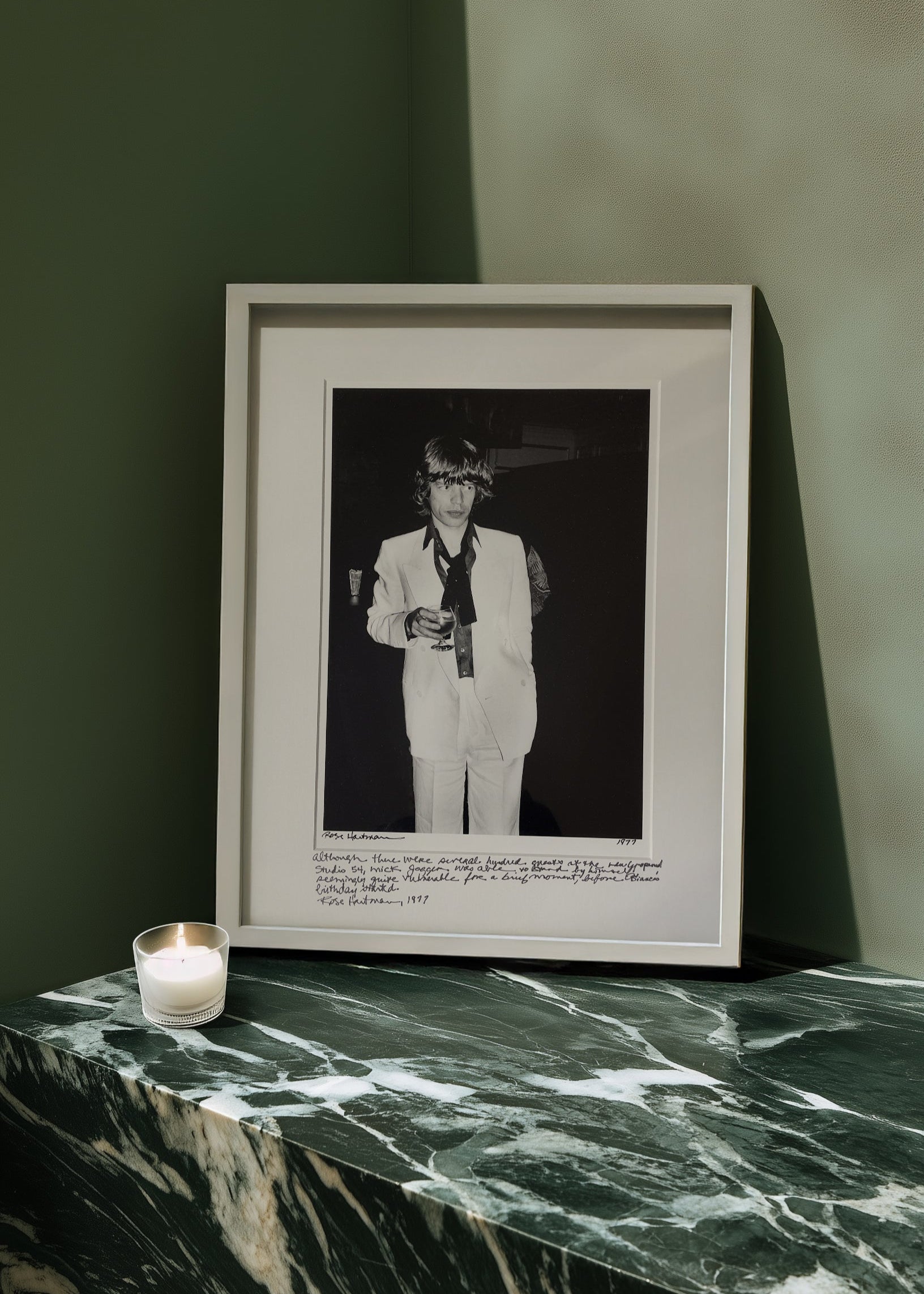
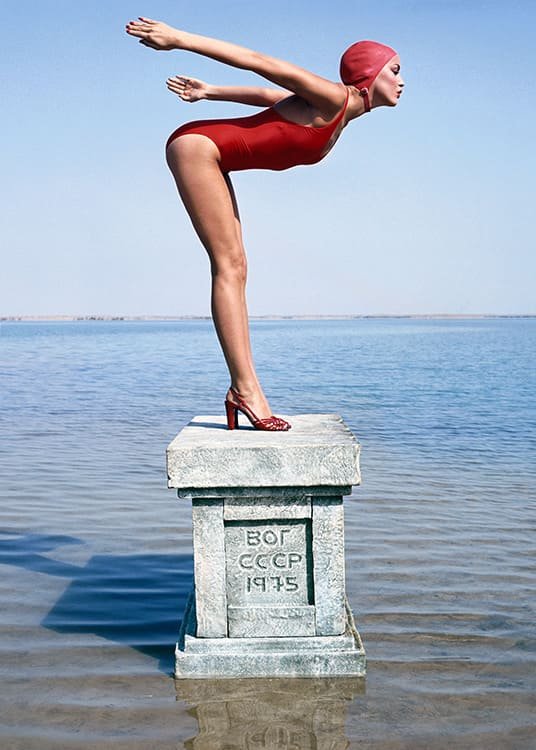
Thematically, his images are steeped in references to pop culture, the space age, and 1970s aesthetics. This is not nostalgia in the sentimental sense; rather, it is a strategic mining of visual codes that still carry strong semiotic power. The 1970s, with its mix of
glam rock, disco, and glossy magazine culture, supplies a repertoire of poses, textures, and attitudes that Belebeau reactivates within a contemporary framework. Space-age elements—metallic finishes, futuristic silhouettes, and an emphasis on sleek surfaces—extend this
into a broader meditation on fantasy, aspiration, and the body as an engineered
object.
Pop culture, meanwhile, provides the connective tissue: references to advertising, music, and cinema that render his images immediately accessible while maintaining a high level of formal discipline.