





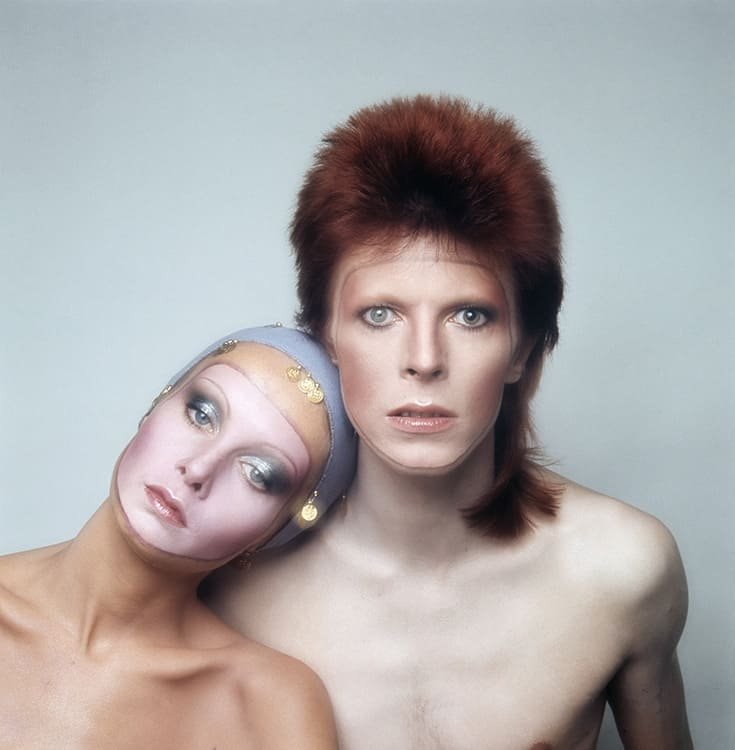
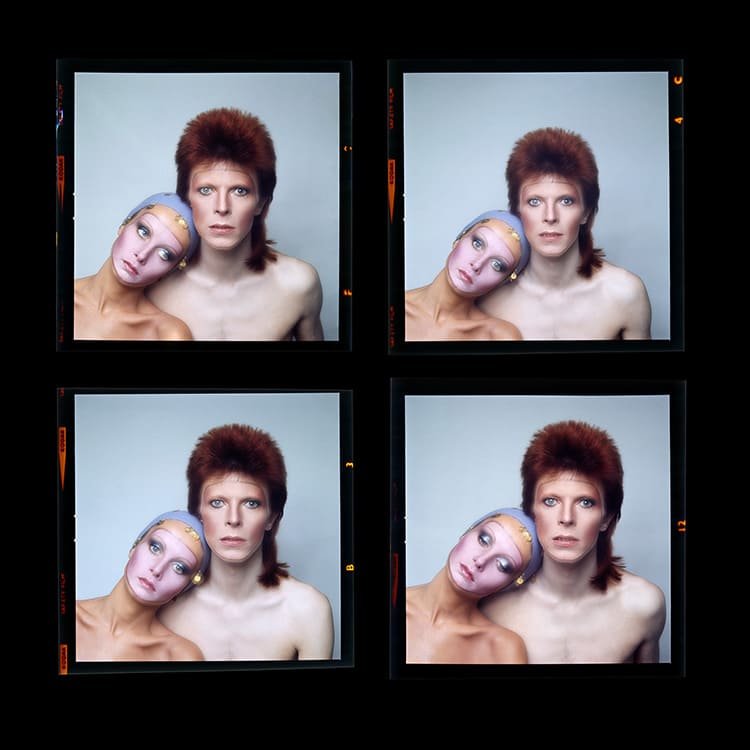
British photographer Justin De Villeneuve is well -known for his experimental depictions of iconic faces such as Twiggy, Pattie Boyd, Marsha Hunt, and David Bowie. The manager of supermodel Twiggy between 1966 and 1973, the photographer captured the essence of the swinging 60’s in London.


Biography
Justin de Villeneuve was born and raised in London. Well-known for being supermodel and a cultural icon Twiggy’s manager from 1966 to 1973 during the "swinging 60’s" in London, Justin De Villeneuve met Twiggy at the beginning of her modeling career, and he propelled her to success. Justin de Villeneuve had multiple careers throughout his life; he was also a boxer, almost a criminal, a hairdresser known as Christian St Forget, an interior decorator, a manager, a photographer and finally a poet.
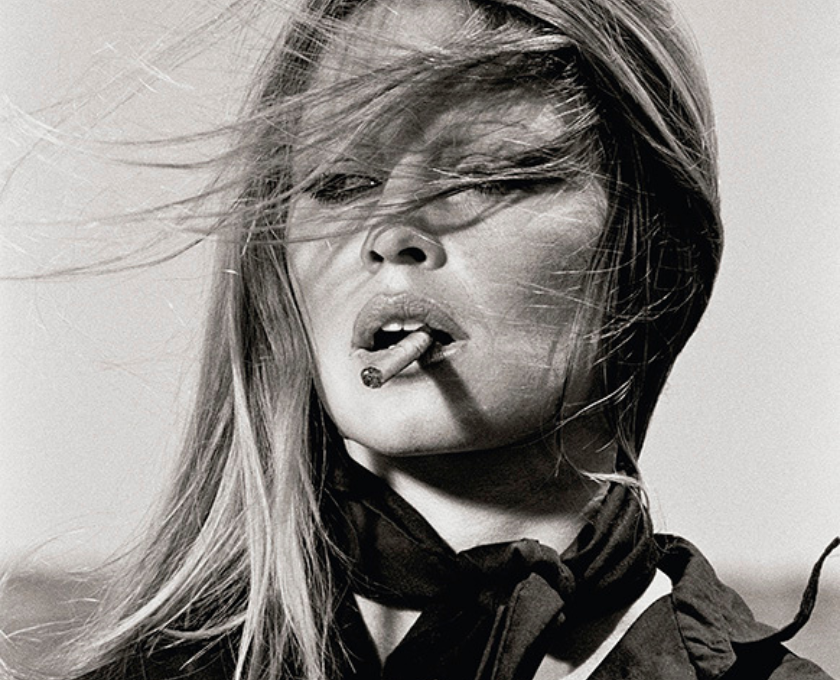
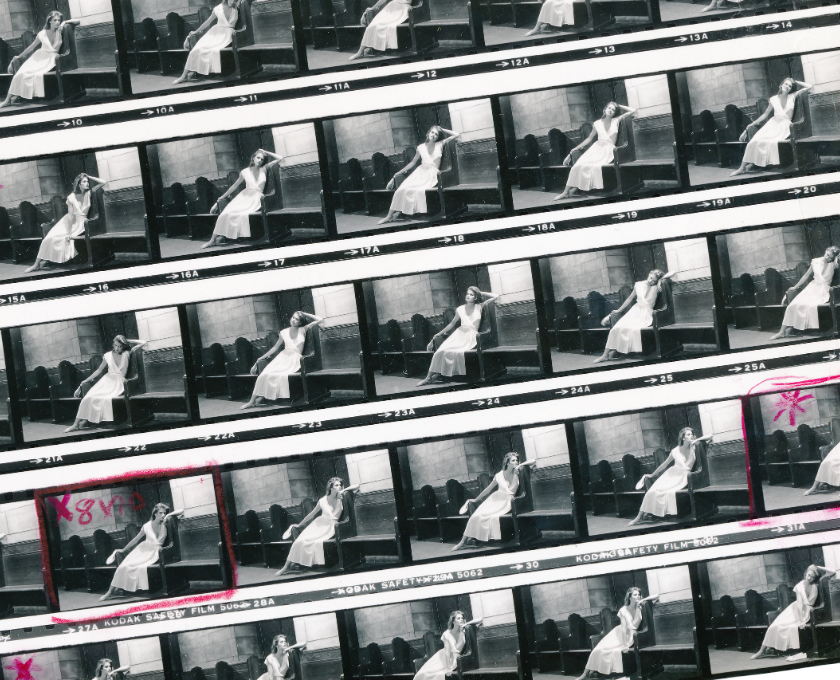
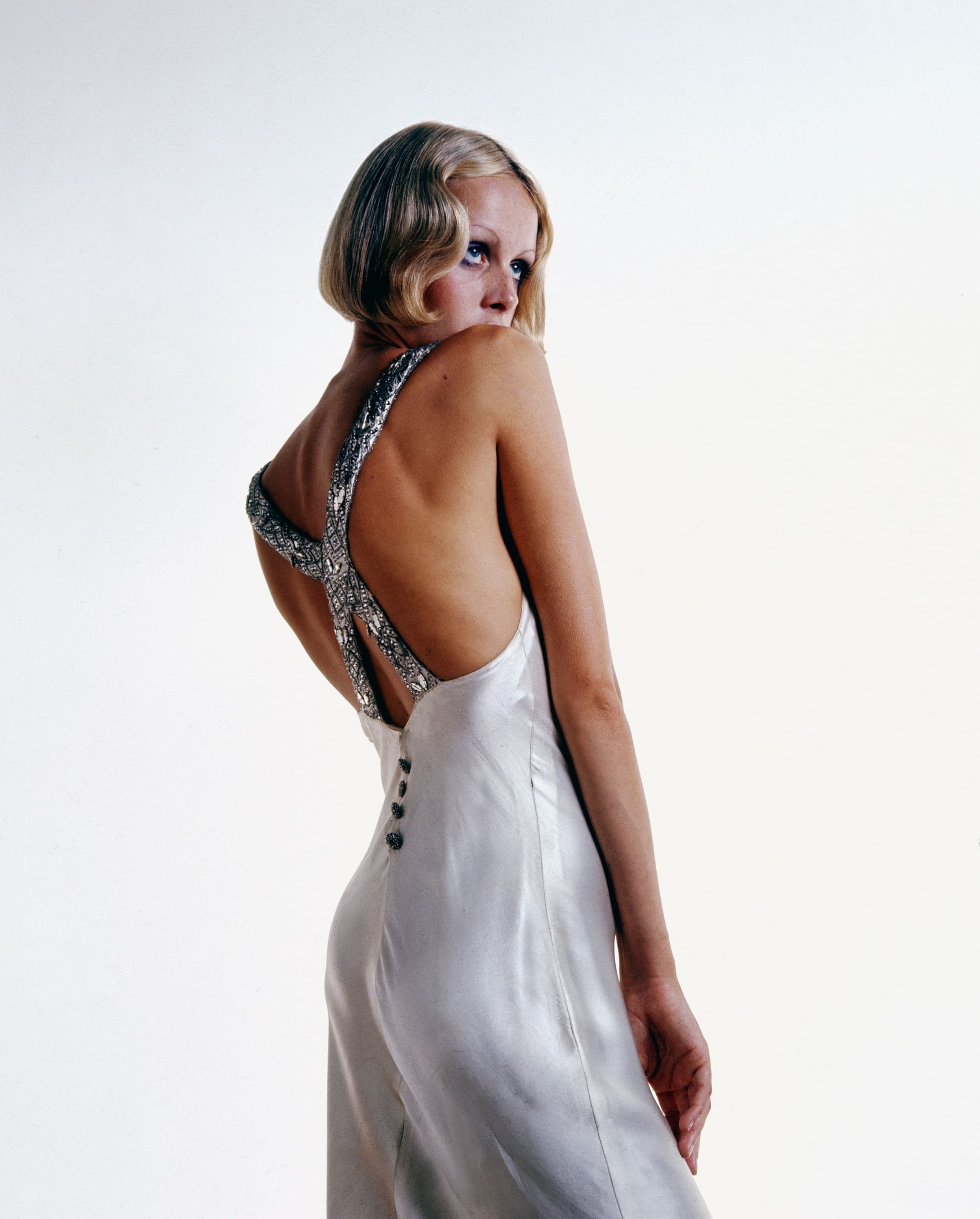
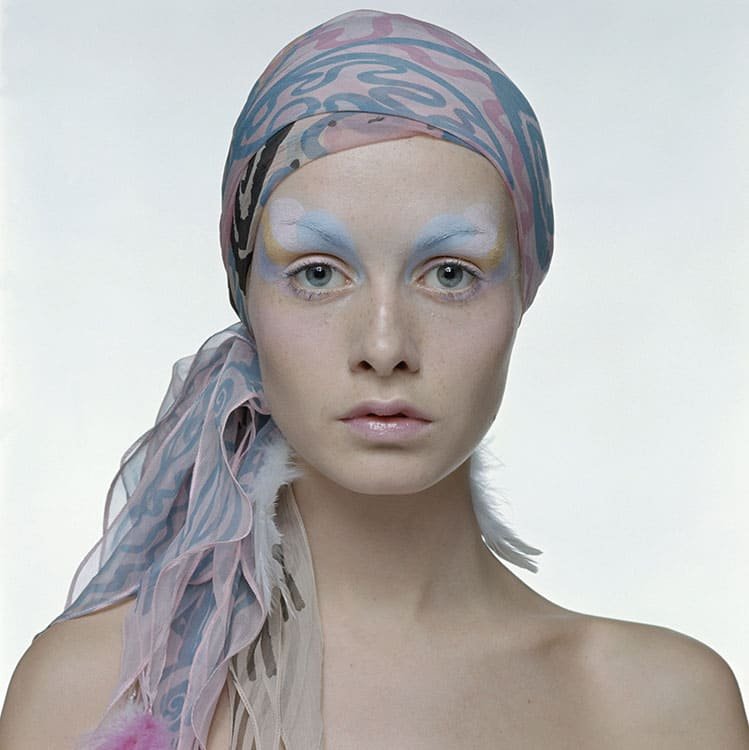
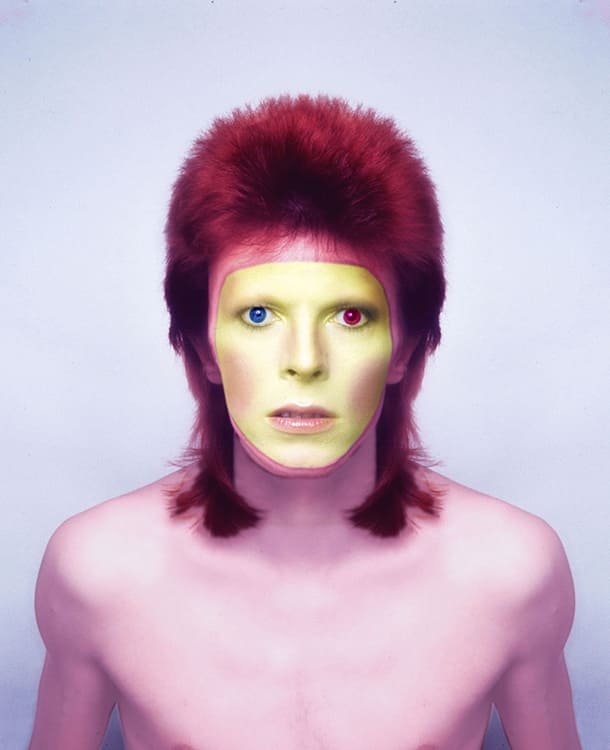
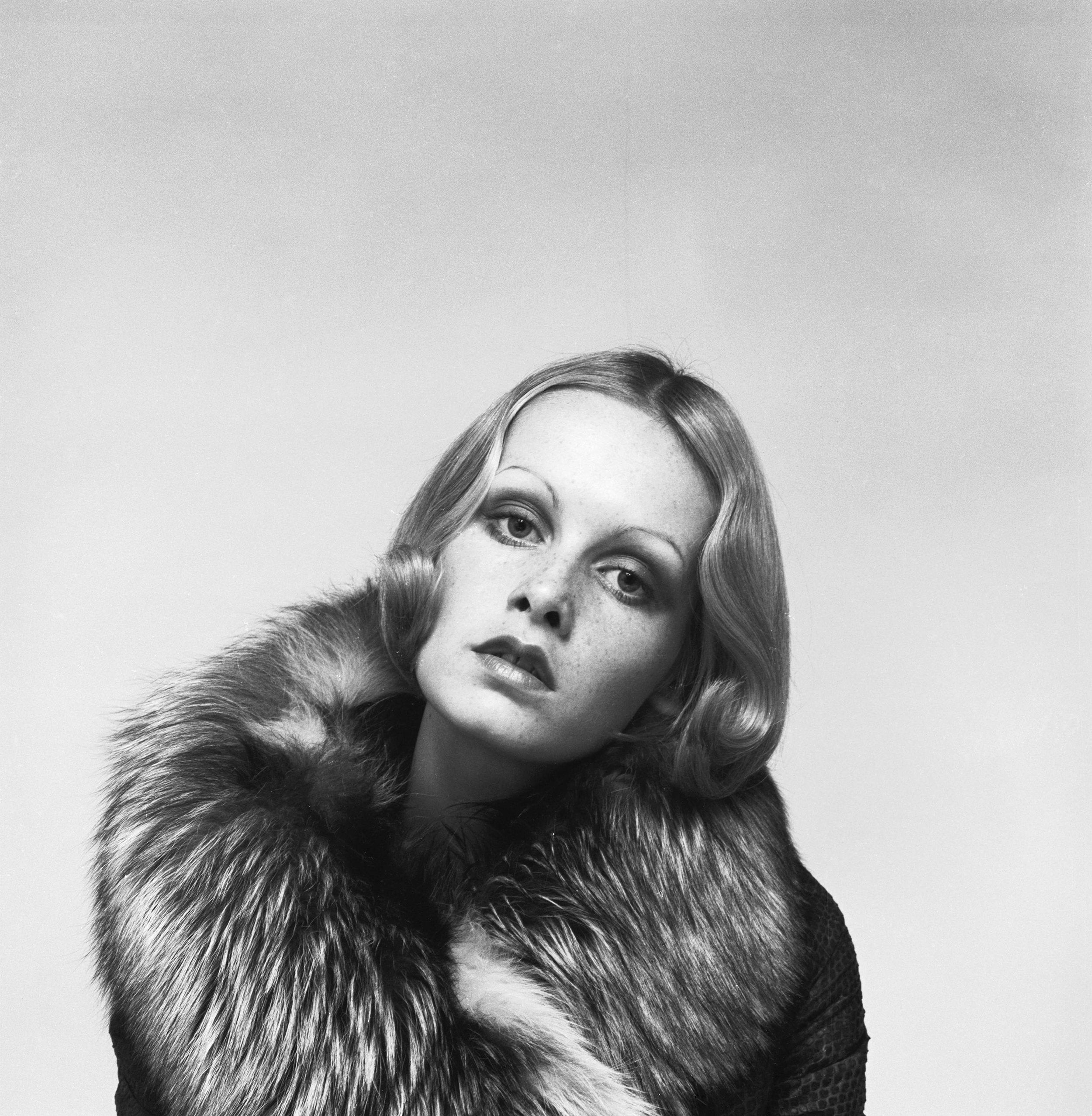
Justin De Villeneuve’s style is inspired by the whole culture and atmosphere of London in the 60's which became the epicenter of fashion, art and music. His style is characterized by a retro rendering of the swinging style of the 60s in London and feature the faces of fashion, music and movie icons of the time, such as Twiggy, Pattie Boyd, Marsha Hunt, and David Bowie. Most of his photos are in black and white and the majority are photographic shots of his muse Twiggy with an androgynous face and appearance, exploring identity and self-expression.


Our Notes
The energy which infects the photography of Justin de Villeneuve is daring, bold, and unapologetic, qualities which the photographer embodied in his youth. Iconic stories define his early life: he left school at 15 to make his living as a boxer under the name Tiger Davies, which introduced him to a host of unusual and occasionally unsavory people and opportunities. Taking on several different odd jobs, he eventually catered Vidal Sassoon’s wedding, applying vintage labels to sub-par bottles of smuggled wine. Sassoon was impressed and from there, he began working as a hairdresser under a new nom-de-plume. It was as a hairdresser that he met Twiggy in a friend’s salon.
De Villeneuve eschewed stability for extravagance. Of the 50’s, he said: “I didn’t have a home as such, but I always had my suits.” During the height of Twiggy’s success, he made money which he spent on a butler, cook, chauffer, twenty-three cars in one year, as well as clothes and an extravagant lifestyle. “Ridiculous, but I don’t regret a minute of it,” he said after the fact, even though his fortune had dwindled after his professional relationship with Twiggy ended.
It is perhaps because De Villeneuve lived so in the moment, driven by his image but not by creating a lasting business, that his images are so impactful. He began taking photographs of Twiggy because no one else would, and there is an energy of spontaneity in his work. At the same time, de Villeneuve had an eye not only for his own appearance, but for the image of others; it was him that suggested to Twiggy to cut her hair into the signature pixie. His images are precise even as they are of-the-moment, because he was always guided by a creative vision and desire to present people as they wished to be, not as they were.
While de Villeneuve photographed David Bowie, Marsha Hunt, Peter Frampton, David Essex, Trompe D’Oeil, Jacques Henri Lartigue, and managed the careers of several rock’n’roll artists, he is best known for his photographs of Twiggy. De Villeneuve actively created the version of Twiggy known by the public, and heralded in an appreciation for her childlike and innocent beauty. His intimacy with her, as a romantic partner and someone who was there from the very start of her career, allowed him to see her in a light different than others, and to show those hidden sides of her to the world. His photographs of Twiggy are among the most creative, innovative, and iconic of the era, and are a testament to her unique magnetism.